Maintaining and Optimizing Your Lawn Irrigation Systems
Andrew Davis
Imagine discovering brown patches on your Yulee lawn despite your sprinkler system running. This common scenario in Northeast Florida leads to dead spots, wasted water, and costly repairs, all avoidable with smart maintenance. This guide will help you prevent these issues, maximize efficiency, understand warning signs, address regional challenges, conserve water, perform simple maintenance, and know when to call professionals, protecting your property investment.
Table of Contents
Understanding Your Irrigation System’s Needs in Florida’s Climate
Florida’s unique weather patterns create specific demands on irrigation equipment. Our combination of intense heat, afternoon thunderstorms, and sandy coastal soil puts stress on sprinkler components that systems in other climates never experience.
Your irrigation setup functions like any mechanical equipment – it needs regular care to perform reliably. Skip the maintenance, and minor issues quickly become major expenses that could have been prevented with simple attention.
Determining the Right Inspection Schedule
Property owners frequently ask our team at Amelia Lawn & Landscaping Services about proper inspection timing. The answer varies based on system age and local conditions, but here’s what we recommend:
Weekly Quick Checks: Take a few minutes to observe your system during operation. Watch for broken components, poor spray coverage, or wet areas that shouldn’t be there.
Professional Service Twice Yearly: Book expert maintenance in early spring to prepare for the growing season and again in late fall before cooler weather arrives.
Post-Weather Inspections: Florida’s storms can damage heads, shift components, or block nozzles with debris. Always check your system after severe weather events.
Following this schedule prevents the most serious problems for Fernandina Beach and the surrounding area properties. Older systems may require additional attention to maintain peak performance.
Recognizing When Fixes Are Necessary
Many homeowners ignore subtle signs that their irrigation system needs attention, thinking small issues will resolve themselves. Unfortunately, irrigation problems tend to compound quickly, especially in Florida’s demanding climate. Learning to spot early warning signs can save you hundreds of dollars in emergency repairs and prevent weeks of lawn damage that takes months to recover from.
The key is knowing what normal operation looks like for your specific system, then staying alert for changes. Most problems start small and gradually worsen, giving you time to address them before they become major headaches. Here are warning signs that demand immediate attention:
Pressure-Related Problems: When sprinkler heads that once covered large areas suddenly spray weak, short streams, you’re dealing with pressure loss. This typically indicates blockages or leaks hiding somewhere in your system.
Inconsistent Water Distribution: Circular brown patches in your lawn often signal sprinkler heads that aren’t reaching their intended coverage areas. Heads sink into our soft soil or get bumped out of position during routine maintenance.
Standing Water Issues: Puddles forming around sprinkler locations suggest underground pipe damage, worn seals, or heads that need adjustment for your specific soil conditions.
Timer and Electrical Failures: Zones that fail to activate on schedule point to wiring problems, controller malfunctions, or valve issues. These electrical problems tend to worsen quickly in our humid coastal environment.
Unexpected Utility Costs: Sharp increases in water bills without corresponding usage changes typically indicate hidden leaks. Small underground breaks can waste enormous amounts of water before becoming visible.
Remember, addressing these issues promptly prevents small problems from becoming expensive disasters. When in doubt, it’s always better to have a professional evaluate your system than to wait and hope problems resolve themselves.
Implementing Florida-Specific Water Conservation
Florida’s water restrictions continue tightening as population growth strains our natural resources. Municipalities across Northeast Florida now enforce strict watering schedules, with hefty fines for violations. Smart homeowners are discovering that water conservation doesn’t mean sacrificing lawn quality – it often improves it.
Efficient irrigation practices work with Florida’s climate patterns rather than against them. Our natural rainfall cycles, soil types, and evaporation rates create opportunities for conservation that actually benefit grass health while reducing utility costs. With increasing water restrictions across Florida, efficient irrigation practices help maintain healthy lawns while being environmentally responsible:
Strategic Watering Depth: Apply water deeply but less frequently – typically 1-1.5 inches spread across 2-3 sessions weekly. This approach promotes deep root development while reducing evaporation losses.
Optimal Timing Strategies: Schedule watering for early morning hours between 4:00 and 9:00 AM when temperatures are cool and wind remains minimal. Midday watering loses significant water to evaporation, while evening watering can encourage lawn diseases.
Customized Zone Management: Different lawn areas require different amounts. Sunny locations need more moisture than shaded spots, while sloped areas benefit from shorter, more frequent cycles to prevent runoff.
Weather-Responsive Technology: Install rain sensors that automatically disable your system when natural precipitation provides adequate moisture. These devices can reduce water consumption by 15-20% annually.
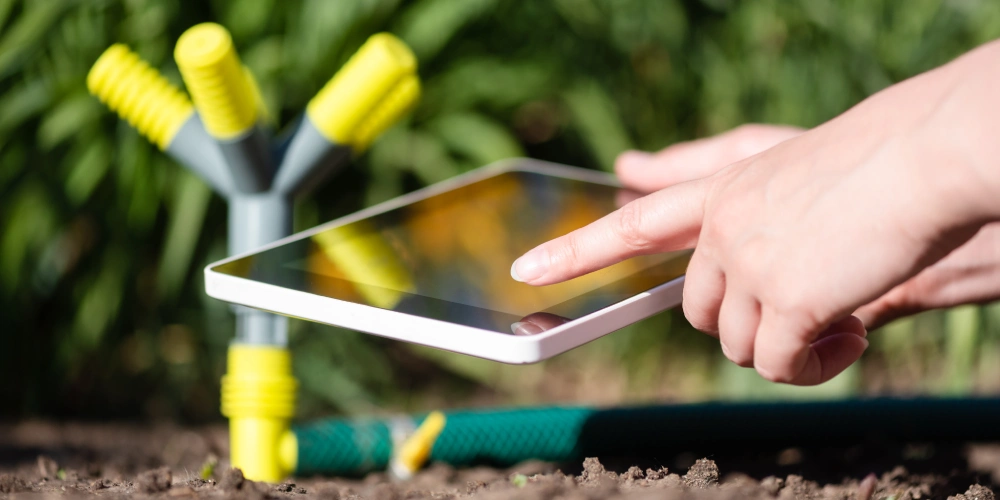
Advanced Monitoring Systems: Smart controllers equipped with soil moisture sensors prevent overwatering by measuring actual ground conditions rather than relying solely on predetermined schedules.
Implementing these conservation techniques positions you ahead of future water restrictions while reducing costs today. The most successful homeowners start conserving water before regulations require it, giving them time to perfect their approach.
Benefits of Professional Maintenance Programs
The difference between DIY maintenance and professional service becomes obvious during Florida’s demanding summer months. While basic upkeep tasks help, professional technicians bring specialized tools, regional expertise, and diagnostic skills that prevent problems homeowners typically miss until they become expensive emergencies.
Professional maintenance programs provide peace of mind that your system will function reliably when your lawn needs it most. Trained technicians catch subtle issues like pressure imbalances, electrical degradation, and component wear before they cause system failures or lawn damage. While homeowners can perform basic upkeep tasks, professional service provides specialized knowledge and equipment that significantly extend system lifespan:
Spring Activation Services
Professional spring preparation includes:
Comprehensive inspection for winter-related damage
System pressure testing to locate hidden leaks
Thorough cleaning and adjustment of all sprinkler heads
Controller programming optimized for current seasonal conditions
Required backflow preventer testing for safety compliance
Summer System Optimization
Mid-season professional attention covers:
Mineral buildup removal from nozzles and components
Water distribution pattern verification and adjustment
Pressure optimization for maximum efficiency
Complete electrical system inspection
Performance improvements based on lawn health assessment
Fall System Preparation
Cool weather preparation involves:
Proper drainage procedures for freeze protection
Controller adjustment for reduced watering requirements
Component weatherproofing for temperature fluctuations
Replacement of worn parts before winter storage
Professional maintenance programs pay for themselves through prevented repairs, extended equipment life, and optimized water efficiency. Most homeowners discover that regular professional service costs less than a single emergency repair call.
Calculating Your Water Bill Savings
Proper irrigation maintenance delivers substantial financial benefits that often surprise homeowners. Well-maintained systems typically consume 20-30% less water than neglected ones, translating to annual savings of $200-400 for average Fernandina Beach properties.
Preventing Leak-Related Waste: Single underground leaks can waste 3,000-5,000 gallons monthly, costing $50-80 in unnecessary water charges – more than enough to cover professional maintenance expenses.
System Efficiency Upgrades: Installing high-efficiency nozzles and smart control technology can reduce water consumption by another 15-25% while actually improving lawn health and appearance.
Avoiding Landscape Replacement: Proper irrigation prevents expensive lawn renovation projects. Replacing damaged St. Augustine grass typically costs $1,000-3,000 for standard residential properties.
These savings compound over time, making efficient irrigation one of the best investments you can make in your property. The money you save on water bills alone often covers the cost of professional maintenance within the first year.
Simple Upkeep Tasks for Homeowners
Taking care of basic maintenance tasks yourself saves money and helps you stay connected with how your system operates. You don’t need technical expertise or expensive tools for most routine upkeep – just consistency and attention to detail.
Regular homeowner maintenance extends the time between professional service calls and helps you catch developing problems before they require expensive repairs. Think of these tasks as preventive medicine for your irrigation system. Several maintenance activities don’t require professional expertise. These basic steps help keep your system functioning properly between professional service visits:
Regular System Observation: Walk your property during complete watering cycles, noting any obvious issues like damaged heads, misdirected water, or areas receiving inadequate coverage.
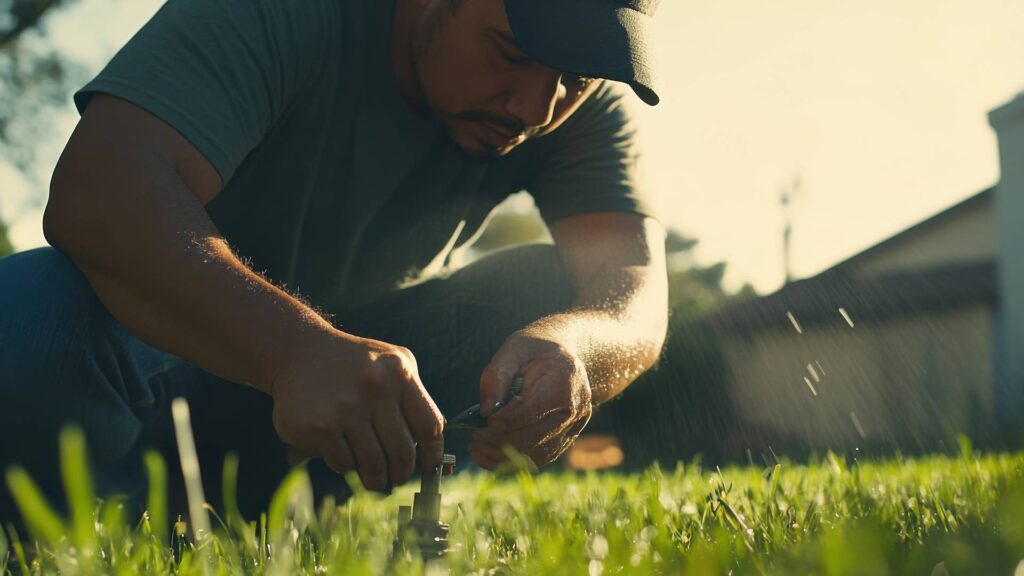
Basic Component Cleaning: Remove grass clippings and debris from around sprinkler heads after each lawn mowing session. Gently clear blocked nozzles using small tools, taking care not to damage delicate components.
Controller Maintenance: Replace backup batteries annually before storm season begins. Dead batteries mean losing all programming during power outages, requiring complete system reprogramming.
Sensor Functionality Testing: Test rain sensors monthly by pouring water over them to verify proper system shutdown. Remove accumulated debris that might interfere with accurate operation.
Consistent attention to these simple tasks prevents most routine problems and helps you identify issues that need professional attention. The time you invest in basic maintenance pays dividends in system reliability and lower repair costs.
Knowing When Professional Help Is Required
Recognizing the limits of DIY maintenance protects both your safety and your system’s integrity. While homeowner maintenance handles most routine tasks, some problems require professional expertise, specialized tools, or technical knowledge that takes years to develop.
Attempting complex repairs without proper training often creates additional damage that costs more to fix than the original problem. Smart homeowners know when to step back and call professionals, saving time, money, and frustration. Certain problems require professional expertise for safety reasons and effective results:
Electrical System Issues: Never attempt electrical repairs without proper training. Irrigation systems combine high and low voltage components that can be dangerous for untrained individuals.
Underground Pipe Problems: Locating and repairing buried pipes requires specialized detection equipment and repair expertise. Amateur attempts often create additional damage.
System-Wide Pressure Issues: Comprehensive pressure problems may indicate main water supply issues or require complex valve calibration beyond homeowner capabilities.
Major System Updates: Systems approaching 15 years old often need extensive upgrades to improve efficiency and reliability, requiring professional assessment and installation.
When you’re unsure whether a problem needs professional attention, it’s always safer to get an expert opinion. The cost of a professional consultation is minimal compared to the potential expense of attempting complex repairs yourself.
Taking Action for System Optimization
Waiting for problems to develop costs more than proactive maintenance. Whether you need a comprehensive system evaluation or routine seasonal service, professional attention ensures that your investment continues to deliver results.
At Amelia Lawn & Landscaping Services, we understand the unique challenges facing properties in Northeast Florida. Our regional expertise helps you maintain efficient irrigation systems that work in harmony with our climate conditions, rather than fighting against them.
Your lawn deserves reliable, efficient watering that maintains health through our demanding summers and mild winters. Professional maintenance ensures your system provides appropriate water amounts at optimal timing, consistently.