Summer heat brings challenges to Florida lawns. High temperatures, intense sun, and afternoon storms can stress your grass. This guide offers simple tips to help your lawn stay green and healthy during the hottest months.
When to Start Summer Lawn Care in Florida
Florida summer lawn care starts in late May. This timing helps your lawn build strength before the intense July and August heat arrives. St. Augustine and Zoysia grasses need soil temperatures above 70°F for active growth.
Your lawn shows signs when it’s ready for summer care:
- Consistent green color returns
- Regular growth resumes
- Soil feels warm to the touch
How Often Should I Water My Lawn in Summer in Florida?
Water needs change in summer. Florida lawns need:
- 1 to 1.5 inches of water per week
- Water 2-3 times per week during hot months
- Water in the early morning (before 10 AM)
- Check local water restrictions for your specific days
Northeast Florida lawns need about ½ to ¾ inches of water every 2 to 3 days during summer months. Summer heat stresses lawns, requiring increased watering frequency compared to cooler months.
Most important tips for proper watering:
- Watch for signs of thirst: Look for leaf blades folding in half, a blue-gray tint instead of green, or footprints remaining visible on the grass long after they are made.
- Water deeply but infrequently: This encourages deeper root growth and makes your lawn more drought-tolerant.
- Use a rain gauge: Place empty tuna cans around your yard to measure how much water your sprinklers deliver.
What is the Best Mowing Height for Florida Lawns in Summer?
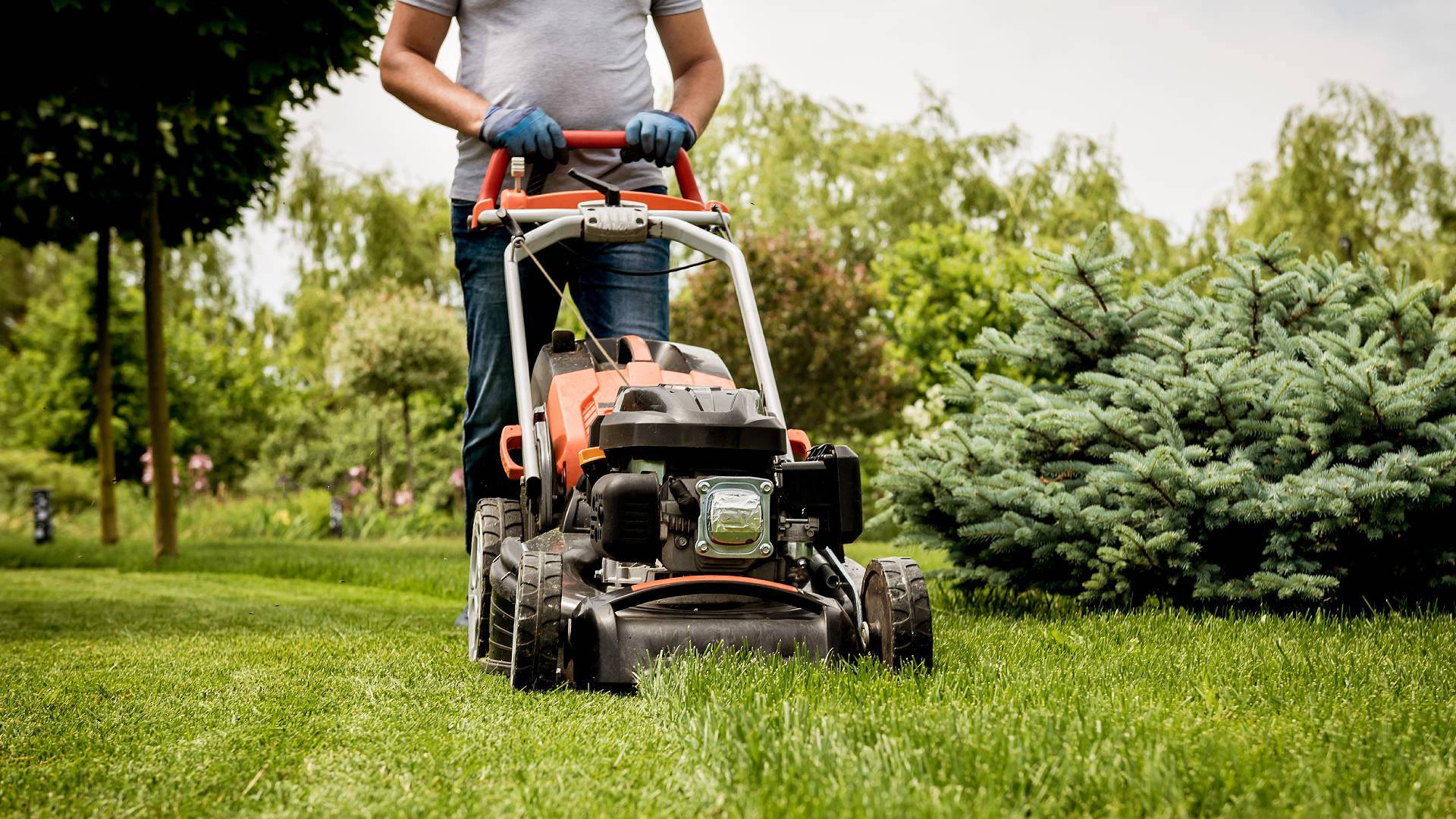
Mowing height makes a big difference for your lawn’s summer survival. Taller grass helps shade the soil, keeping it cooler and reducing water loss.
Recommended summer mowing heights for Florida grasses:
Grass Type | Ideal Height |
St. Augustine | 3-4 inches |
Zoysia | 1.5-2.5 inches |
Bermuda | 1-1.5 inches |
Centipede | 1.5-2 inches |
For Yulee and Fernandina Beach homeowners, St. Augustine grass is most common. Keep it taller during summer (3.5-4 inches).
Important mowing tips:
- Never cut more than 1/3 of the blade at once
- Keep mower blades sharp to prevent tearing
- Leave clippings on the lawn to return nutrients
- Mow the lawn when the grass is dry
How to Prevent Brown Patches in Your Florida Lawn
Brown patches in summer lawns often result from:
- Heat stress
- Improper watering
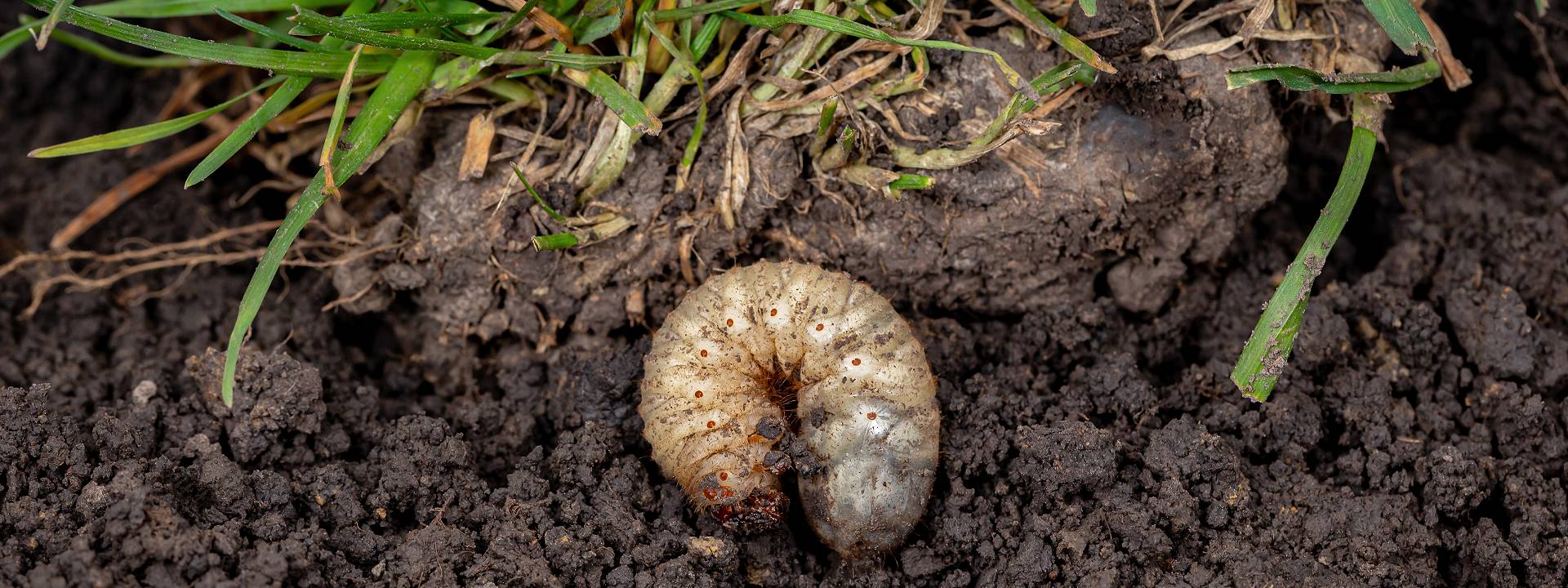
- Pest problems
- Fungal diseases
Identifying Heat Stress
Heat stress happens when temperatures stay high for days. Signs include:
- Wilting grass despite watering
- Grass turning bluish-gray
- Browning at the tips of blades
- Slow recovery after walking on it
Preventing and Fixing Brown Patches
- Adjust your watering routine
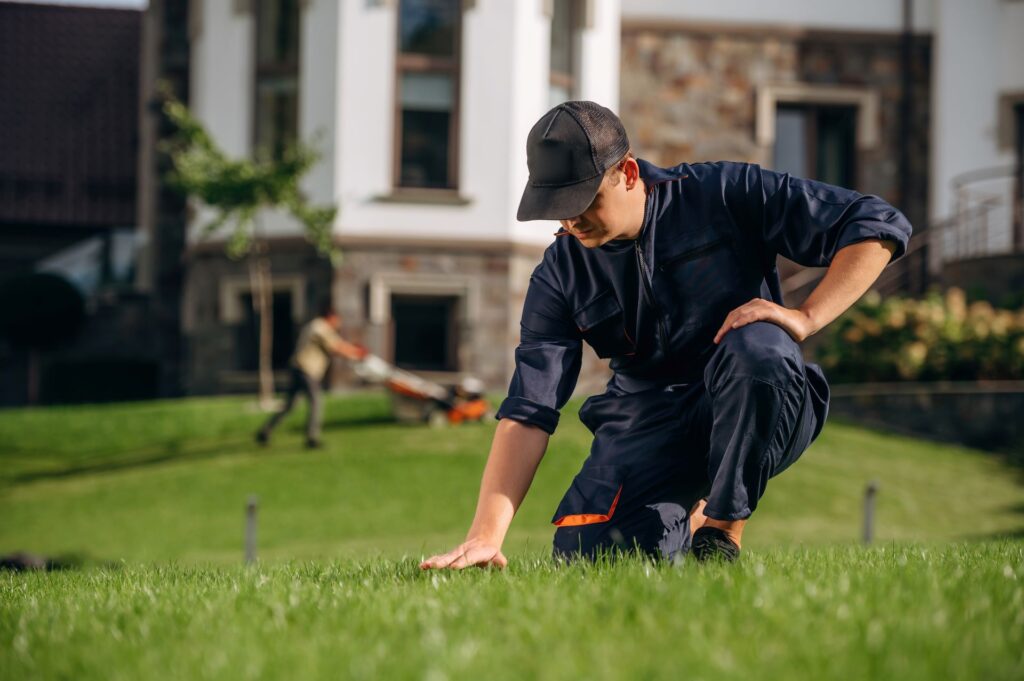
Check your lawn every evening and set sprinklers for the next morning if the grass looks wilted. Water only when 30-50% of the lawn shows signs of drought.
- Proper fertilization timing
Summer fertilizer should contain:
- Slow-release nitrogen
- Added potassium to boost heat tolerance
- Micronutrients like iron
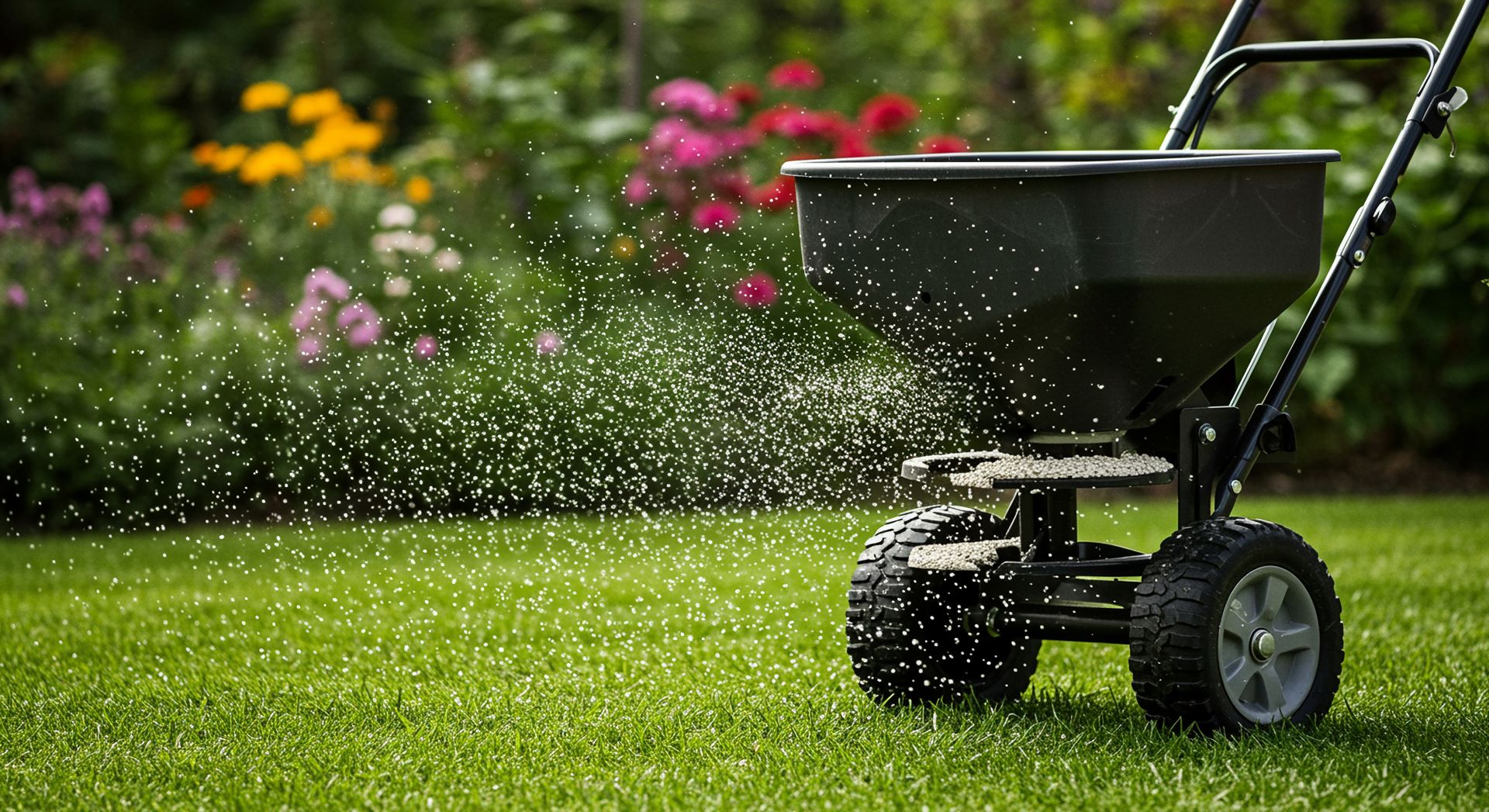
Apply fertilizer in early summer, not during peak heat or rainy months.
- Check for chinch bugs
These tiny pests love hot, dry conditions and target St. Augustine lawns. Look for:
- Patches that start small and grow larger
- Yellowing grass that turns brown
- Insects are visible at the edge of damaged areas
- Treat fungal diseases
Gray leaf spot appears as small, oval spots with gray centers and dark borders, especially in shaded areas. It thrives in humid conditions with excessive watering.
Treatment options:
- Reduce watering frequency
- Water early in the morning
- Improve air circulation
- Apply fungicide if necessary
Essential Summer Lawn Care Schedule for Northeast Florida
Follow this timeline for best results:
May
- Raise the mowing height
- Perform an irrigation system check
- Apply pre-summer fertilizer
- Treat for spring weeds
June-August
- Water 2-3 times per week (early morning)
- Mow at summer height (higher setting)
- Watch for pest and disease signs
- Avoid fertilizing during peak heat
September
- Begin transition to fall care
- Reduce watering frequency
- Address any summer damage
- Test the soil for fall fertilization needs
Tips for Summer Watering in Yulee and Fernandina Beach
Yulee’s summer conditions can be challenging for lawns. Dry conditions brought by late spring and early summer can permanently damage grass and leave brown patches throughout your lawn.
Local watering considerations:
- Soil conditions: Sandy soils drain quickly and may need more frequent watering.
- Local water restrictions: The South Florida Water Management District restricts landscape irrigation based on address numbers and prohibits watering between 10 AM and 4 PM. Check with your local water authority for specific rules.
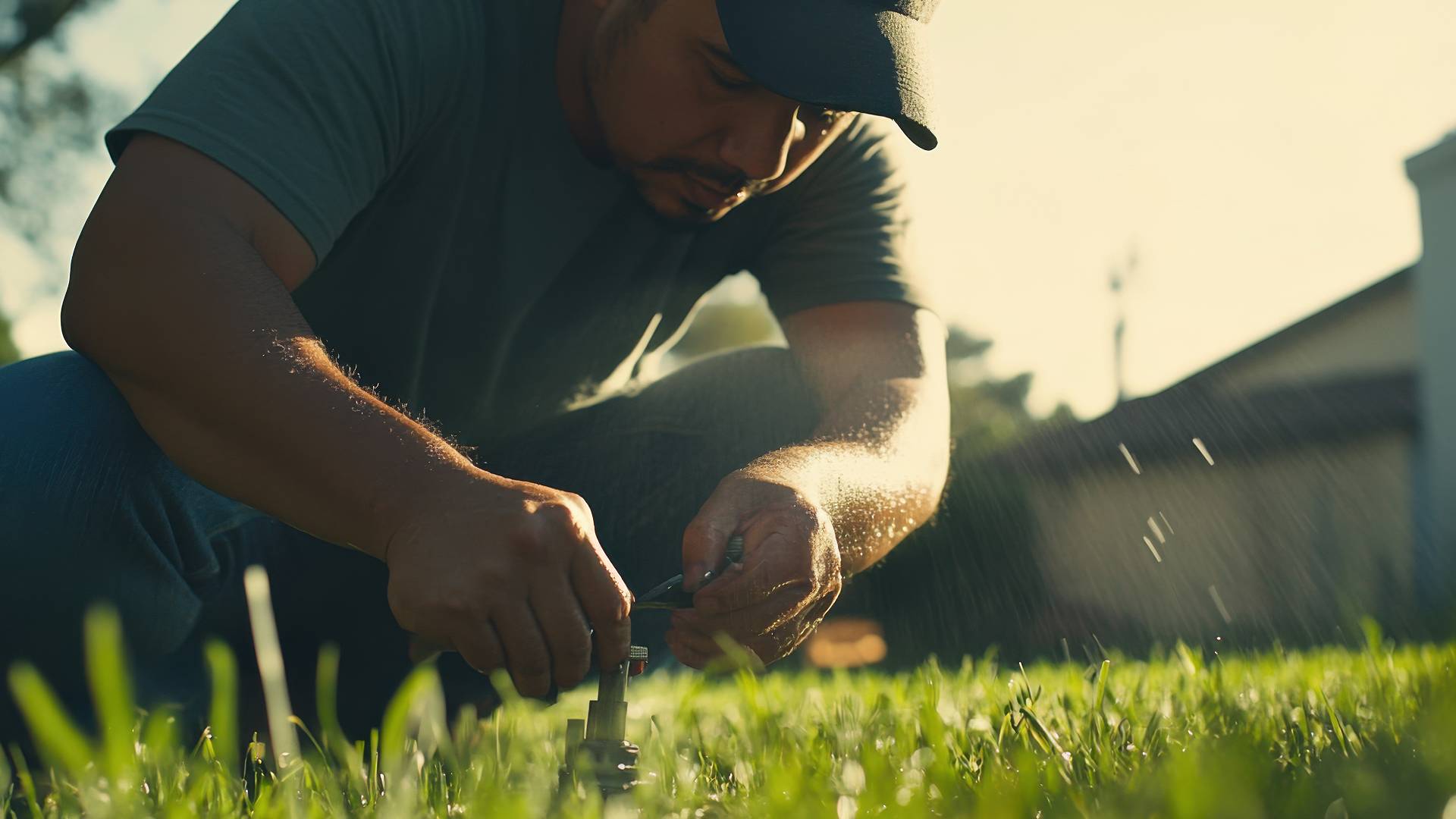
- Irrigation system efficiency: A smart irrigation system can handle watering schedules based on your property’s specific needs and help you avoid wasting water.
- Rain sensors: Rain sensors are required by Florida law, as they stop irrigation systems from turning on when it rains.
Professional Lawn Care for Summer Success
Some summer lawn care tasks benefit from professional help:
- Dethatching: Removes built-up organic matter that blocks water from reaching roots.
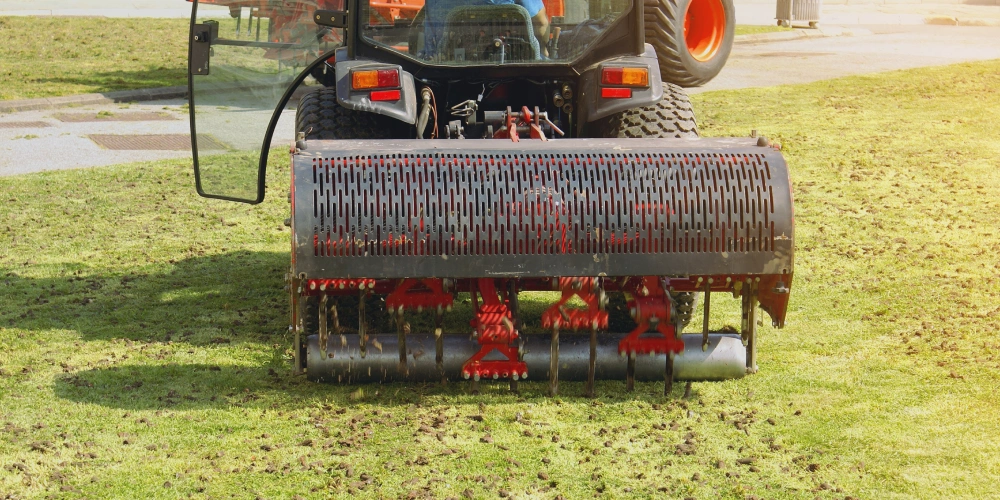
- Core aeration: Opens the soil to improve water, air, and nutrient flow to roots.
- Pest control: Professionals can identify and treat specific pests before major damage occurs.
- Irrigation adjustment: Fine-tune your system for optimal coverage and minimal waste.
At Amelia Lawn & Landscaping Services, we understand Northeast Florida’s unique challenges. Our summer lawn care programs address the specific needs of St. Augustine grass in our local climate.
How to Save Water While Maintaining a Healthy Lawn
Smart water conservation helps your wallet and the environment:
- Collect rainfall: Use rain barrels to capture water from downspouts.
- Mulch planting beds: This reduces evaporation and keeps soil cooler.
- Fix irrigation leaks: Even small leaks waste thousands of gallons over a summer.
- Consider drought-tolerant zones: Not every part of your yard needs the same water level.
When to Call the Professionals
Sometimes DIY lawn care isn’t enough. Consider professional help when:
- Brown patches don’t respond to increased watering
- You notice unusual pest activity
- Your irrigation system needs repairs
- Lawn quality declines despite your best efforts
Amelia Lawn & Landscaping Services offers complete summer lawn care packages tailored to Northeast Florida properties. Our local expertise ensures your lawn gets exactly what it needs to thrive through the hottest months.
Conclusion: Summer Lawn Success
Summer lawn care in Florida requires attention and timing. By following proper watering schedules, maintaining the right mowing height, and watching for signs of stress, your lawn can stay green and healthy even in the hottest months.
Remember these key points:
- Water deeply but infrequently (2-3 times per week)
- Mow St. Augustine grass at 3-4 inches in summer
- Watch for signs of heat stress and pest problems
- Follow local water restrictions
With these tips, your Northeast Florida lawn will remain the envy of the neighborhood all summer long.
Want more personalized advice for your Yulee or Fernandina Beach property? Contact Amelia Lawn & Landscaping Services today for a summer lawn assessment.