Are you looking at your lawn and wondering why it lacks that lush, green look? You feed it, water it, and mow it regularly, but something still seems off. The problem might be when and how you fertilize. Many Northeast Florida homeowners apply fertilizer at the wrong times or use the wrong products. This mistake wastes money and can harm local waterways.
When Should You Fertilize Your Lawn in Northeast Florida?
The timing of fertilization depends on your grass type. St. Augustine and Zoysia grasses need different care than northern varieties.
In Northeast Florida, spring lawn care typically starts in late February or March when temperatures rise. Your grass must show signs of waking up before you apply fertilizer. For St. Augustine and Zoysia grasses, the soil needs to warm to at least 65°F for active growth.
A simple calendar for Northeast Florida lawns works like this:
- Early Spring (March-April): First fertilizer application when grass starts growing
- Late Spring (May): Second application to prepare for summer stress
- Summer: Avoid fertilizing during hot, rainy months
- Fall (September-October): Final feeding to strengthen roots for winter
Many Florida counties have fertilizer blackout dates to protect water quality. For example, in nearby counties like Duval and St. Johns, fertilizing during the rainy season (June 1 – September 30) is restricted. These rules prevent excess nutrients from washing into waterways.
This schedule prevents two common mistakes: fertilizing too early when grass can’t use the nutrients, and fertilizing during summer rainy months when runoff occurs.
Best Fertilizer for St. Augustine Grass in Spring?
St. Augustine grass thrives in Northeast Florida, but needs specific nutrition to look its best. The right fertilizer makes a big difference.
In spring, look for slow-release nitrogen blends for St. Augustine grass. These products fuel healthy growth without forcing rapid development that stresses the grass. Fertilizers with added iron and potassium work especially well for St. Augustine grass.
What to look for on the label:
- Nitrogen (N): 15-20% for spring application
- Phosphorus (P): Low or zero (Florida soils often have enough)
- Potassium (K): 5-10% for drought and heat tolerance
- Slow-release formula: At least 50% of nitrogen should be slow-release
The right fertilizer improves growth, thickens grass to crowd out weeds, and helps your lawn withstand heat and drought. This makes summer maintenance easier and reduces the need for weed control.
Liquid vs. Granular Fertilizer for Florida Lawns?
The choice between liquid and granular fertilizers confuses many homeowners. Each type has specific benefits and drawbacks.
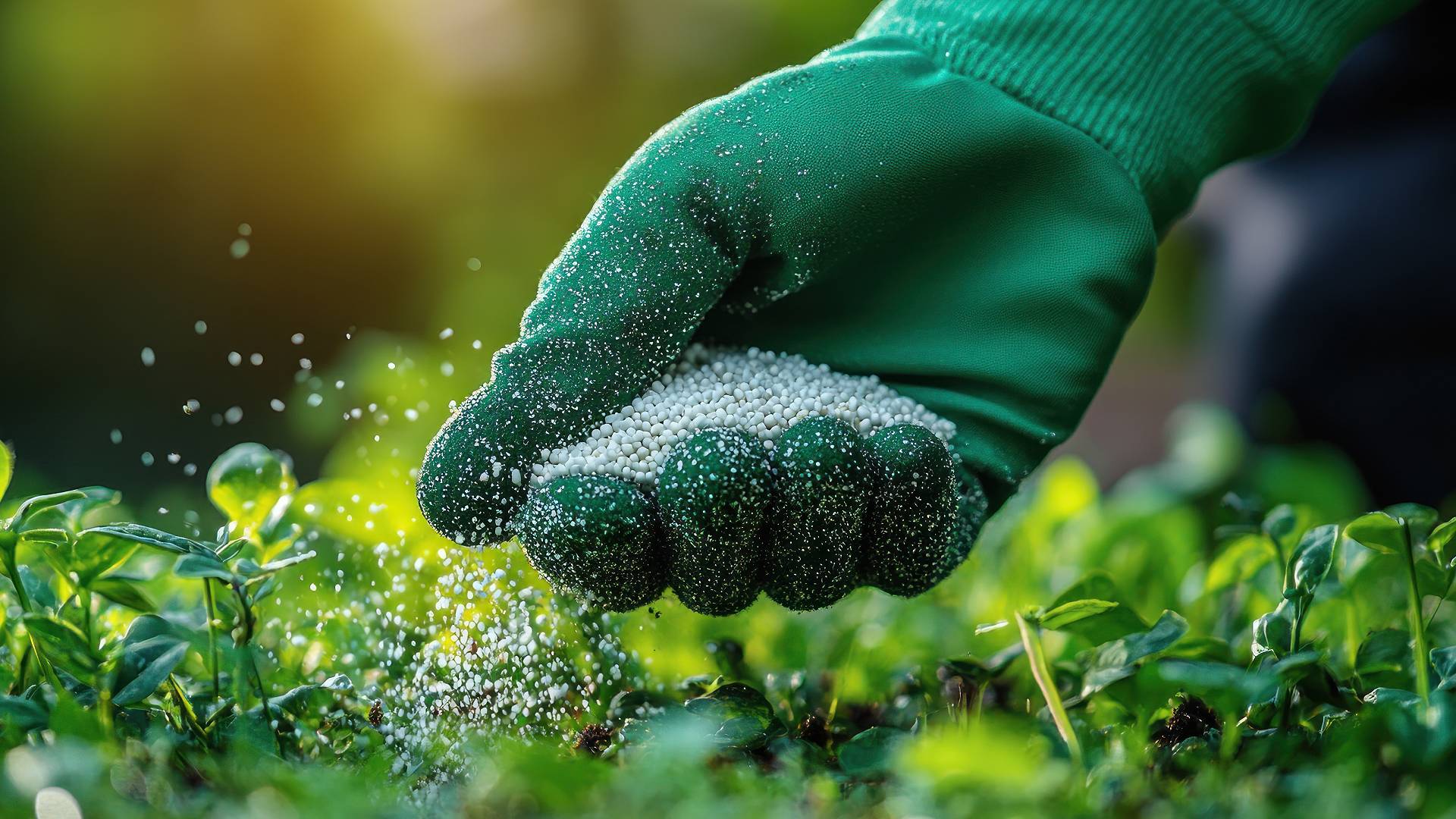
Granular fertilizers offer these advantages:
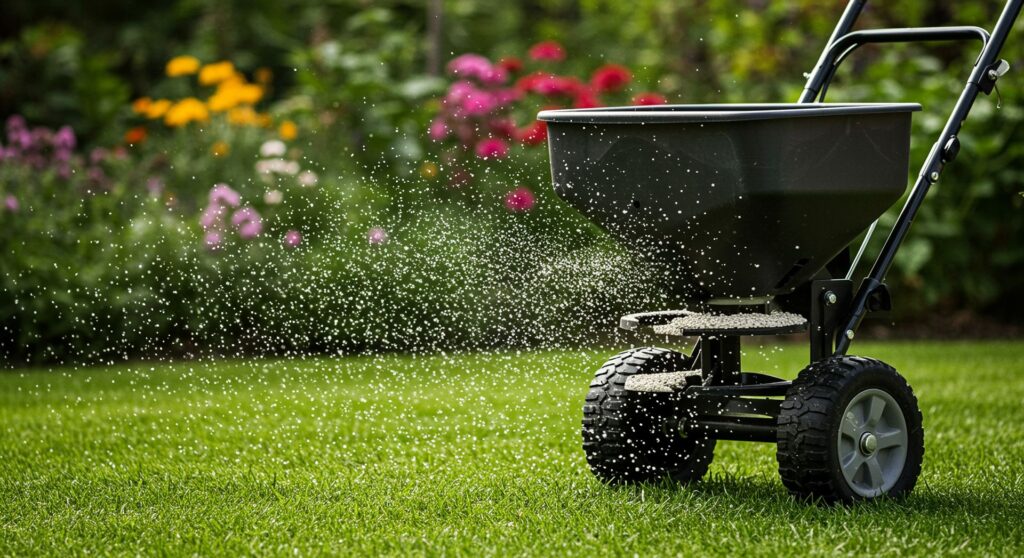
- Easier to apply with basic spreaders
- Last longer in the soil (fewer applications needed)
- Less likely to burn grass if applied correctly
- Better for slow, steady feeding
Liquid fertilizers provide these benefits:
- Fast results when your lawn needs quick help
- Even application with no missed spots
- Good for adding micronutrients and iron for greening
- Can be applied with hose-end sprayers
Granular fertilizers, with their easy application and slow-release options, work well for routine feeding. Liquid fertilizers show quicker results but need more frequent applications and create a higher risk of overapplication.
For most Northeast Florida homeowners, granular slow-release fertilizers work best for spring and fall applications. Liquid products work well for quick green-up before special events.
Is It Better to Fertilize a Lawn Before or After Rain?
This question has a clear answer that helps protect both your lawn and local waterways.
Heavy rain can wash away freshly applied fertilizer. This wastes your money and pollutes water sources. Check the weather forecast before fertilizing. Avoid applying fertilizer if heavy rain is expected within 24 hours.
The ideal timing looks like this:
- Apply fertilizer when the grass is dry
- Water lightly afterward (about ¼ inch)
- Allow 24-48 hours before heavy rain
After fertilizing, you only need to apply ¼ inch of water. This small amount helps nutrients absorb into the soil without washing away, while more water just increases runoff.
This approach makes sure the nutrients reach the roots where they help your grass, not the storm drains where they harm fish and cause algae blooms.
How to Prevent Fertilizer Runoff in Coastal Areas?
Northeast Florida has many waterways. Homeowners must take extra steps to protect these bodies of water when fertilizing lawns.
Try these simple methods to prevent runoff:
- Create a 10-foot buffer zone near any water body
- Use slow-release fertilizers exclusively
- Apply half the recommended rate in two passes
- Sweep up any fertilizer that lands on hard surfaces
- Never fertilize before a storm
Florida’s springs, rivers, and coastal waters face special risks from excess nutrients. Over-fertilizing can increase nitrogen and phosphorus levels in these waters. This causes algae blooms that block sunlight, harm plants, create oxygen problems for fish, and decrease water clarity.
Being a good steward of local waters adds value to your property. Clear, clean waterways benefit everyone in our community.
Signs Your Lawn Needs Fertilizer in Florida
How do you know when your lawn truly needs fertilizer? Look for these clear signs:
- Color Changes: Yellowing grass or light green patches
- Slow Growth: Grass that grows much slower than normal
- Thin Areas: Spots where you can see soil between grass blades
- Poor Recovery: Lawn doesn’t bounce back after traffic
- Increased Weeds: More weeds appear in weak areas
A healthy, well-fed lawn grows faster and thicker with better disease resistance. It shows a deep green color that looks good. A thick lawn also fights weeds by not leaving open soil for them to grow.
Before adding more fertilizer, get a soil test to check what nutrients your lawn truly needs. Your county Extension office offers low-cost testing.
The Environmental Impact of Fertilizer
Using fertilizer incorrectly harms more than just your lawn. It creates serious problems for Florida’s waters.
With over 1,000 new residents moving to Florida daily, lawn care practices affect water quality statewide. When used incorrectly, fertilizers contain nitrogen and phosphorus that wash into lakes, rivers, springs, and estuaries. These excess nutrients cause algae blooms, stress aquatic life, and damage Florida’s ecosystems.
This doesn’t mean you should skip fertilizing. It means you should:
- Use only what your lawn needs
- Apply at the right times
- Choose slow-release products
- Follow local rules about fertilizer use
Following these guidelines protects Florida’s water bodies and natural systems, supports your lawn’s growth without using too much fertilizer, and avoids breaking local fertilizer rules.
The Professional Approach to Fertilization
At Amelia Lawn & Landscaping Services, we take a scientific approach to fertilization. This method gives better results with less environmental impact.
Our process includes:
- Soil Testing: We check what nutrients your lawn actually needs
- Custom Blends: We select fertilizers that match your specific soil
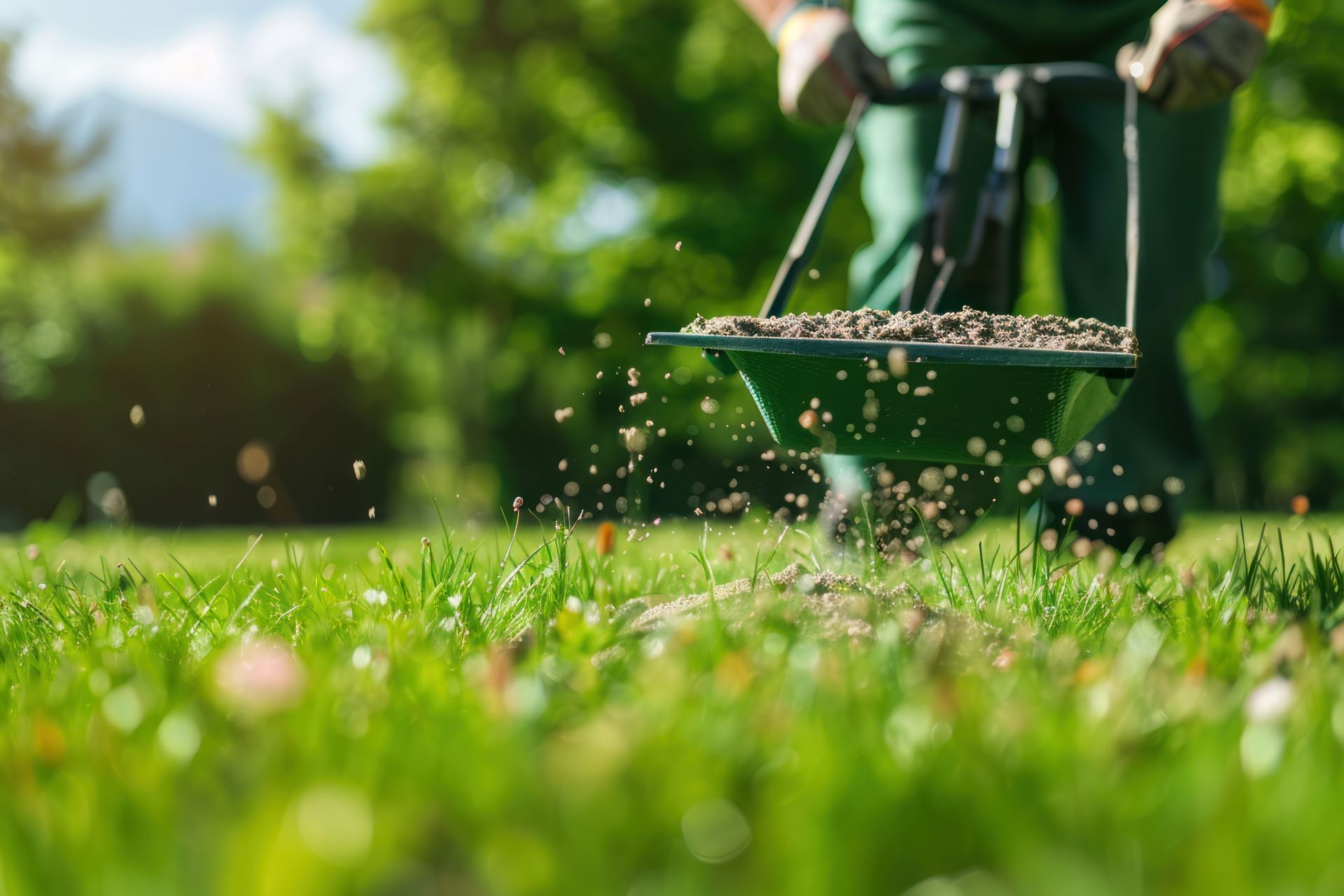
- Precision Application: We apply the right amount in the right places
- Timing Expertise: We schedule applications based on grass type and weather
- Environmental Protection: We follow all local rules to protect waterways
This approach saves money by eliminating fertilizer waste. It also creates a healthier lawn that needs less water and fewer treatments for weeds or pests.
Spring Fertilization: The Foundation for Summer Success
Spring fertilization sets up your lawn for summer success. This critical feeding helps grass build strong roots and store energy.
The best spring fertilizers for Northeast Florida include slow-release nitrogen formulas. These products support healthy top growth without forcing rapid development. Look for micronutrient blends like iron and potassium to help St. Augustine grass.
This spring feeding:
- Fuel recovery from winter stress
- Builds density to fight summer weeds
- Deepens roots for drought resistance
- Creates food reserves for the hot months ahead
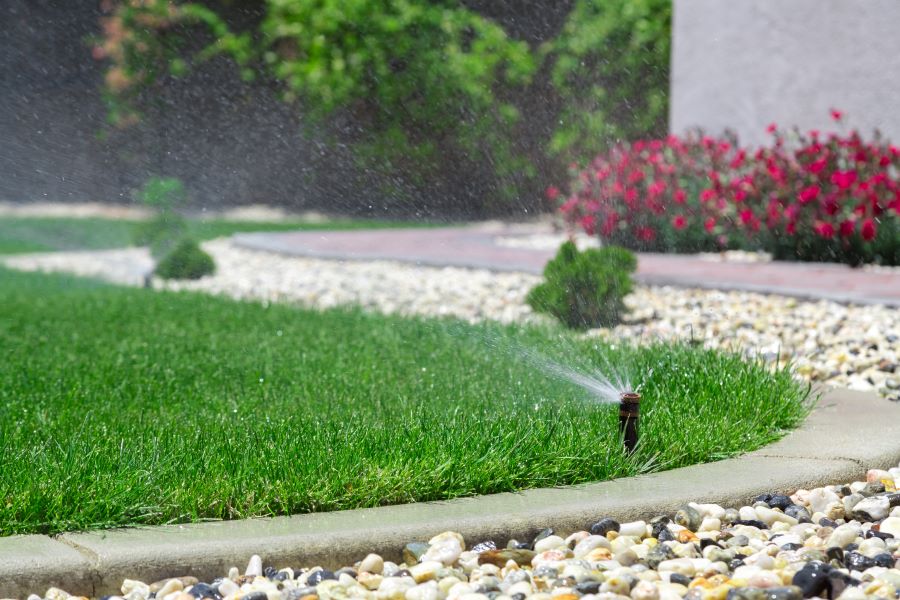
To water properly after fertilizing in spring, follow this rule: 1–1.5 inches of water per week, including rainfall. Deep, infrequent watering 2–3 times weekly works better than daily sprinkling. Water early in the morning (before 9 a.m.) to reduce evaporation and disease risk.
Conclusion: Feed Your Lawn, Not Our Waterways
Proper fertilization makes your lawn healthier and more beautiful and protects Florida’s precious water resources. By following the right schedule, using the correct products, and applying fertilizer carefully, you create a win-win situation.
The Amelia Lawn & Landscaping Services team stays current with the latest research and local rules about lawn fertilization. We help homeowners in Northeast Florida maintain beautiful lawns while protecting the environment.
Ready to get your lawn on the right fertilization schedule? Contact us today for a free lawn evaluation and personalized fertilization plan. We’ll help you create a lawn that makes neighbors ask, “How do they get their grass looking so good?”
Call us at (904) 454-5889 or visit AmeliaLawn.com to schedule your free consultation.