You know that feeling when you step outside and notice something’s wrong with your lawn? Those mysterious brown spots appear where your grass used to be thick and green, or areas where your St. Augustine grass looks patchy and thin. Welcome to summer in Northeast Florida, where our hot, humid weather creates perfect conditions for lawn pests. If you live in Yulee, Fernandina Beach, or Nassau County, you’ve probably experienced this cycle: beautiful spring lawn, summer pest invasion, and scrambling to save your grass. The good news? You can win this battle and keep your lawn healthy all summer long.
Meet the Pests Targeting Your Florida Lawn
Our Northeast Florida climate attracts several lawn pests that can quickly turn a healthy yard into a homeowner’s nightmare. Each pest has its own calling card, so learning to recognize them is your first line of defense. The combination of our coastal humidity and year-round warmth means these pests stay active longer than in other parts of the country.
Chinch Bugs: Small Size, Big Problems
Don’t let their size fool you. These tiny insects with distinctive black bodies and white wing markings can devastate St. Augustine grass faster than you might think. They pierce grass blades and suck out plant fluids, leaving behind dead patches that start small but spread rapidly.
White Grubs: Root System Destroyers
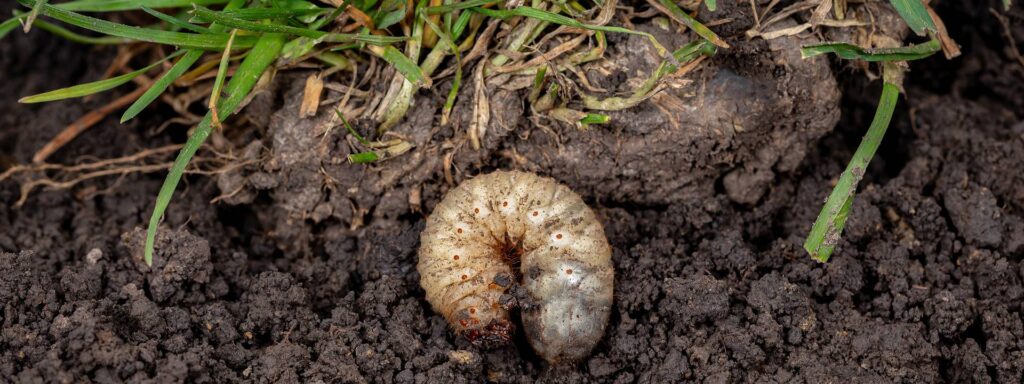
These plump, white larvae live beneath your grass, quietly eating away at root systems. You won’t see them working, but you’ll definitely notice the results when sections of your lawn start dying from the ground up.
Sod Webworms: After-Dark Grass Eaters
These green or brown caterpillars work the night shift, chewing grass blades down to the crown. They hide in silk-lined tunnels during the day, making them hard to spot until the damage becomes obvious.
Mole Crickets: Underground Excavators
These brown, cricket-like insects dig extensive tunnel networks that damage grass roots and create unsightly raised areas across your lawn. You’ll often notice their work before you see the insects themselves.
What Are Signs of Insect Damage in Florida Lawns?
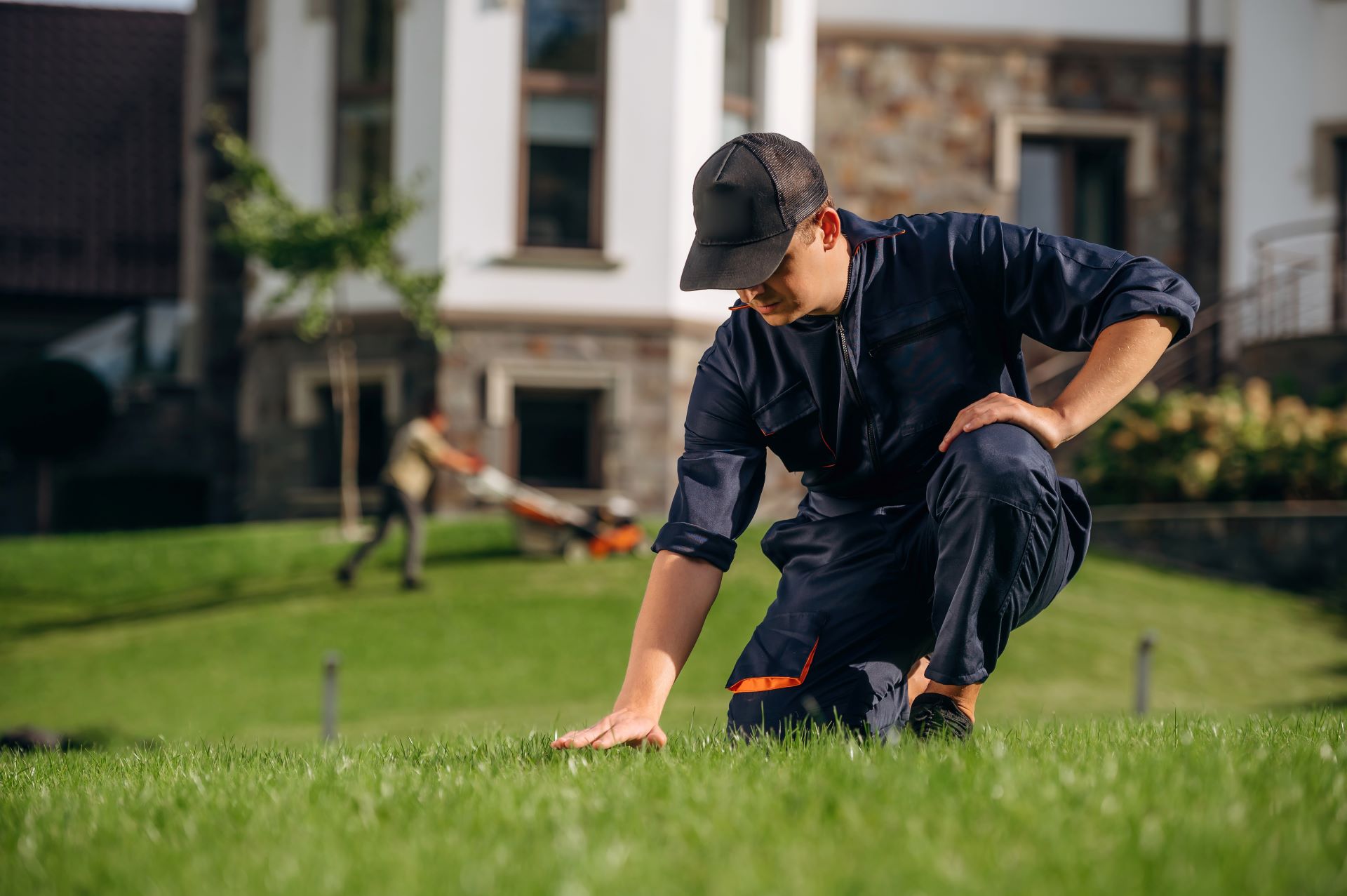
Recognizing pest damage early can mean the difference between a quick fix and a major lawn renovation. Here’s what to watch for: Most homeowners miss the early warning signs because they happen gradually, then suddenly notice widespread damage. Walking your lawn weekly during summer months helps you catch problems when they’re still manageable.
Discolored grass areas: Unlike drought damage or disease, pest damage creates irregular patterns of brown or yellow grass. These areas often expand quickly and don’t respond to normal watering or fertilization.
Grass that feels different: Healthy grass springs back when you walk on it. Pest-damaged areas feel spongy or crunchy underfoot, and the grass may not recover its shape after being stepped on.
Increased animal activity: Birds pecking at your lawn or raccoons digging small holes often indicate grubs or other insects below the surface. These animals are simply following their food source.
Unusual soil conditions: Look for small holes, raised tunnels, or areas where the soil feels loose or disturbed. These physical changes often signal underground pest activity.
Grass that separates from the soil: When you can lift sections of grass like carpet pieces, root damage from pests is likely the cause. This symptom indicates serious pest problems that need immediate attention.
How Do I Know If I Have Grubs in My Lawn?
Grub problems require special attention because they can destroy large lawn areas quickly. Here’s how to confirm grub activity: Unlike surface pests that you can see working, grubs operate completely underground, making detection challenging until damage becomes severe. They work systematically through your lawn’s root system, often creating a domino effect where healthy-looking grass suddenly collapses.
The pull test: Try lifting suspected problem areas. If grass comes up easily without resistance, grubs have probably eaten the roots that should anchor it to the soil.
The investigation method: Cut out a one-foot square section of affected turf and examine the soil underneath. Count any white, C-shaped larvae you find. More than five grubs per square foot means you have a problem that needs treatment.
Wildlife behavior changes: Notice more birds on your lawn than usual? Raccoons or skunks digging at night? These animals hunt grubs, so increased activity often means grubs are present in large numbers.
Seasonal timing clues: Grub damage typically becomes visible in late summer when larvae are actively feeding. If your lawn suddenly develops problems after looking healthy all season, grubs might be the culprit.
DIY vs Professional Treatment Options
Once you’ve identified pest problems, you need to decide how to handle them. Both DIY and professional approaches have their place depending on your situation. The key factors to consider include the size of the affected area, the type of pest you’re dealing with, and how quickly you need results. Your comfort level with applying treatments and the time you have available also play important roles in this decision.
Home Treatment Methods
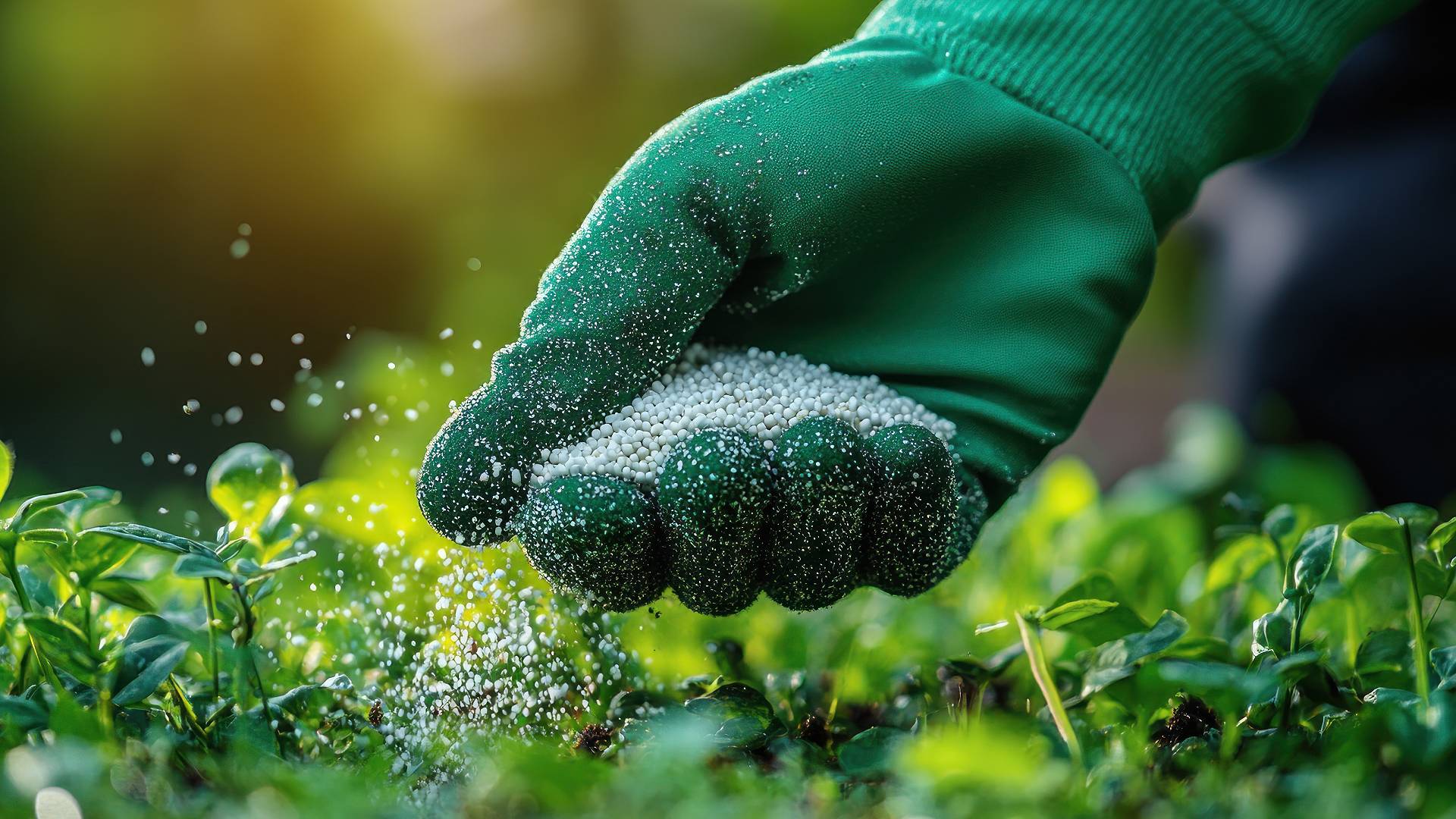
Small, localized pest problems often respond well to home treatments. Beneficial nematodes provide natural grub control without chemicals, and these microscopic organisms attack pest larvae while remaining safe for people and pets. Dish soap solutions work against surface-feeding pests like chinch bugs. Simply mix soap with water and spray affected areas to eliminate small insects and make surviving pests easier to spot. Strong lawn health practices help grass recover from minor pest damage, as proper watering, fertilization, and mowing create conditions that favor grass recovery over pest development.
Professional Treatment Benefits
Large pest infestations overwhelm home treatment methods, so professional-grade products work faster and provide more complete control when pest populations are high, while accurate pest identification ensures effective treatment since what appears to be pest damage might actually be disease, environmental stress, or nutrient problems that professionals can distinguish between and address with appropriate solutions that include prevention measures to stop future pest cycles and protect your lawn care investment.
Prevention Strategies for Yulee and Fernandina Beach
Our coastal Northeast Florida location creates specific opportunities for smart pest prevention. The ocean breeze can help with natural pest control by creating air movement that makes it harder for flying insects to settle on your lawn. However, our proximity to water also means higher humidity levels that can create ideal breeding conditions for many pests if not managed properly.
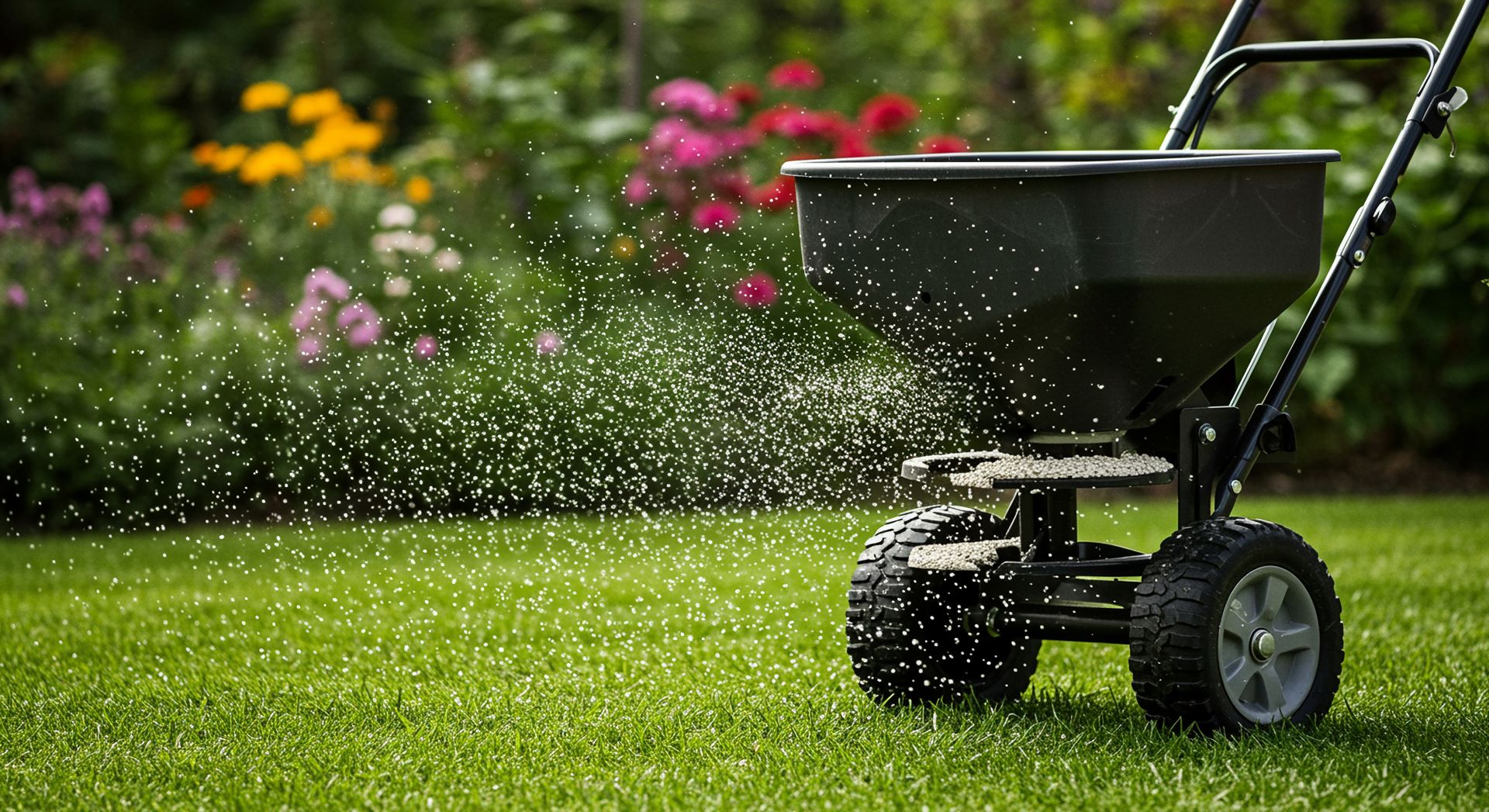
Climate-smart timing: Our warm, humid summers accelerate pest development, but proper timing turns this to your advantage. Apply preventive treatments in early summer before pest populations reach damaging levels.
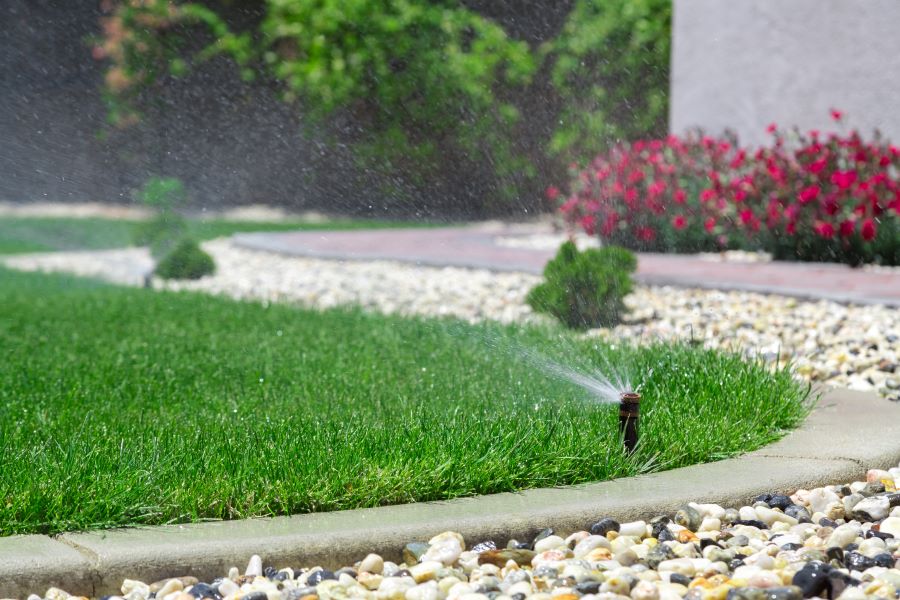
Smart watering habits: Deep, less frequent watering builds strong root systems that resist pest damage better than shallow, frequent watering. Morning watering allows grass to dry before evening, reducing disease pressure that weakens grass.
Fertilization strategy: Avoid heavy fertilization during peak summer heat. Excess nitrogen can attract certain pests and stress grass when temperatures soar. Light, regular applications work better than seasonal heavy feeding.
Thatch control: Our humid conditions encourage thatch buildup, creating perfect pest hiding places. Regular thatch removal eliminates these pest havens and improves overall lawn health.
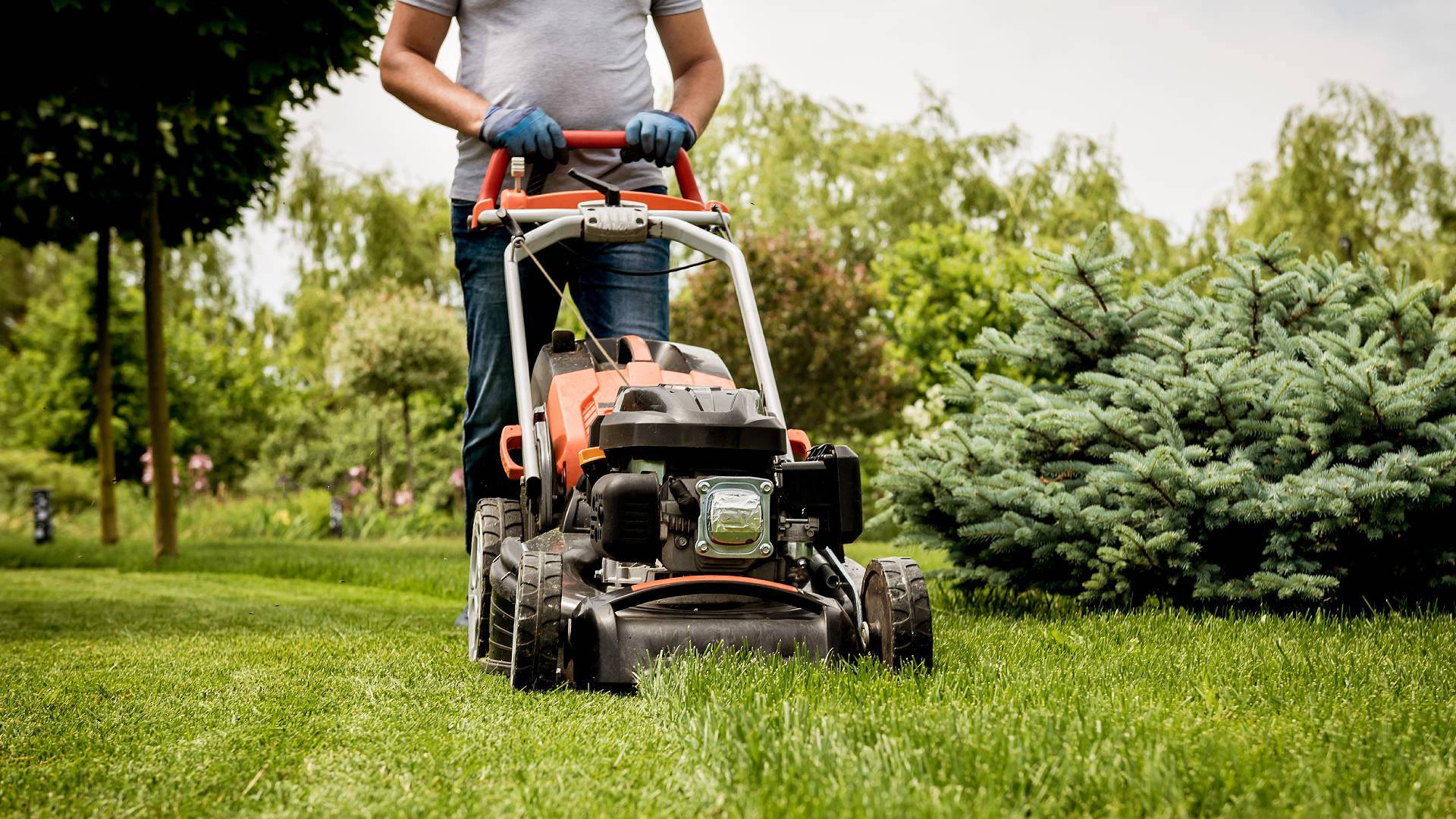
Proper mowing practices: Keep St. Augustine grass at 3-4 inches during summer months. Taller grass shades soil, holds moisture better, and develops deeper root systems that resist pest damage.
Your Summer Protection Plan Is Here
Start with regular lawn monitoring, checking your property weekly for early problem signs, and maintaining consistent care routines that promote healthy grass growth. Consider preventive treatment programs, especially if you’ve experienced pest problems previously, as prevention costs much less than treating major infestations and repairing extensive damage.
Summer pests are part of life in Northeast Florida, but they don’t have to control your lawn’s appearance or limit your outdoor enjoyment. With proper knowledge and professional support when needed, your lawn can remain healthy and attractive throughout the summer season.
Ready to protect your lawn from summer pest damage? Contact Amelia Lawn & Landscaping Services at (904) 454-5889 or [email protected] for expert pest control solutions designed specifically for Nassau County properties. We know local pest challenges and have the experience to keep your lawn healthy and beautiful all summer long.