Drip vs. Spray: Which Irrigation Type Works Best for Florida Landscapes?
Andrew Davis
In Florida, the best irrigation approach depends on your landscape: for lawns, spray (sprinkler) systems are more effective, while for garden beds, shrubs, and trees, drip irrigation is superior. Many homeowners find that a combination system—sprinklers for the open lawn and drip lines for beds and trees—offers the ideal balance of coverage and water efficiency under Florida’s sandy soils and intense sun.
Why a Combination Often Works Best
For most Florida properties, using both drip and spray systems gives you the benefits of each: spray systems cover broad lawn areas, while drip systems deliver water right to the root zones of plants. In Florida’s sandy soils, which drain quickly, the slow, direct watering of drip helps retain moisture better and reduces runoff and evaporation.
When to Use Drip Irrigation
Sandy Soil: Because sandy soils drain fast, drip systems deliver water slowly to roots so it doesn’t get lost.
Garden Beds, Shrubs, Trees: Drip tubing or emitters deliver water directly to root zones—efficient and effective.
Water Conservation: Less evaporation and wind loss means lower water usage compared to sprinklers.
Restricted Watering Schedules: Drip systems allow precise timing that conforms to local watering rules.
When to Use Spray Irrigation
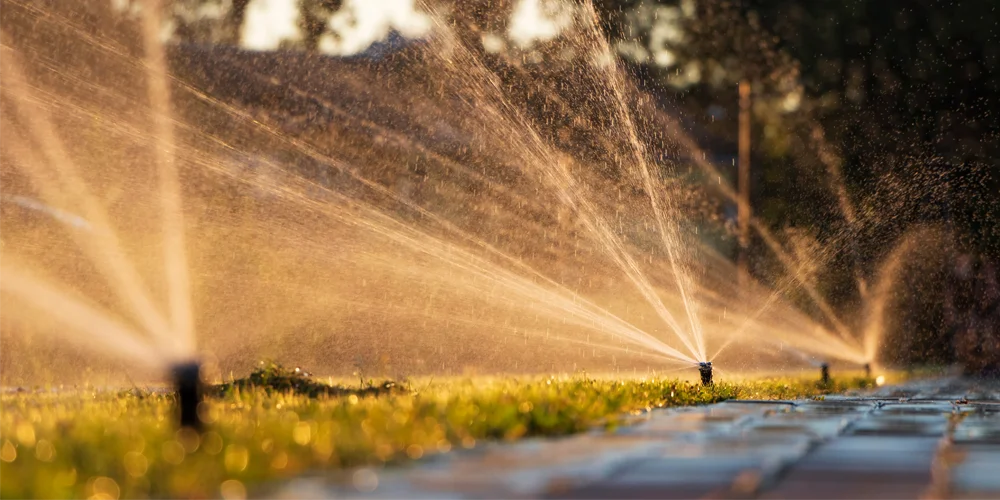
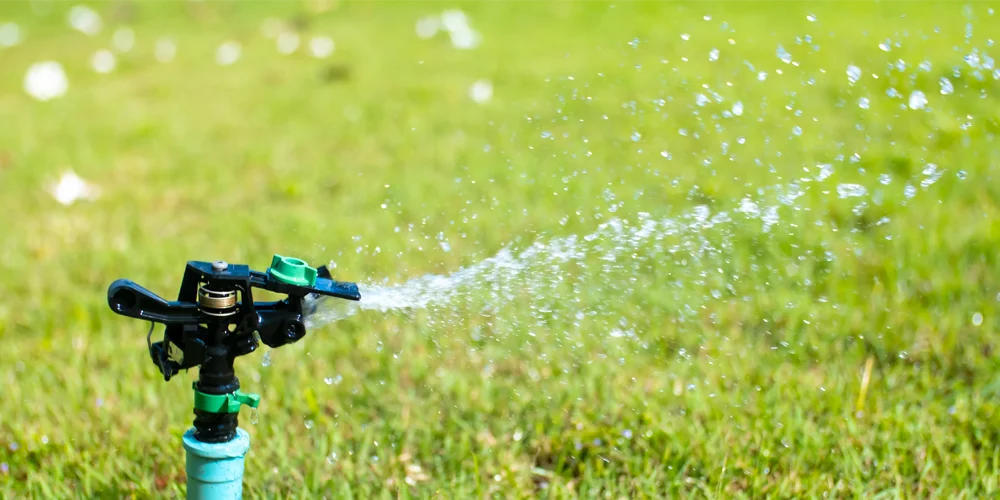
Large Lawns and Open Spaces: Sprinklers can quickly cover wide turf areas.
Broad Coverage Needs: They provide uniform water distribution over grass expanses.
Ease of Use: Sprinkler systems are straightforward for watering big flat zones.
Best Approach: Combine for Smart Efficiency
Use sprinkler systems for the turf to ensure full lawn coverage.
Use drip lines or emitters in garden beds, around shrubs, trees, and perennials to target water where it’s needed.
Coordinate both systems so they run at optimal times (early morning or evening) to reduce loss from heat or wind.
Tips for Setup & Maintenance
Use pressure regulators for drip lines to maintain optimal flow.
Zone irrigation separately—lawn zones vs plant/bed zones.
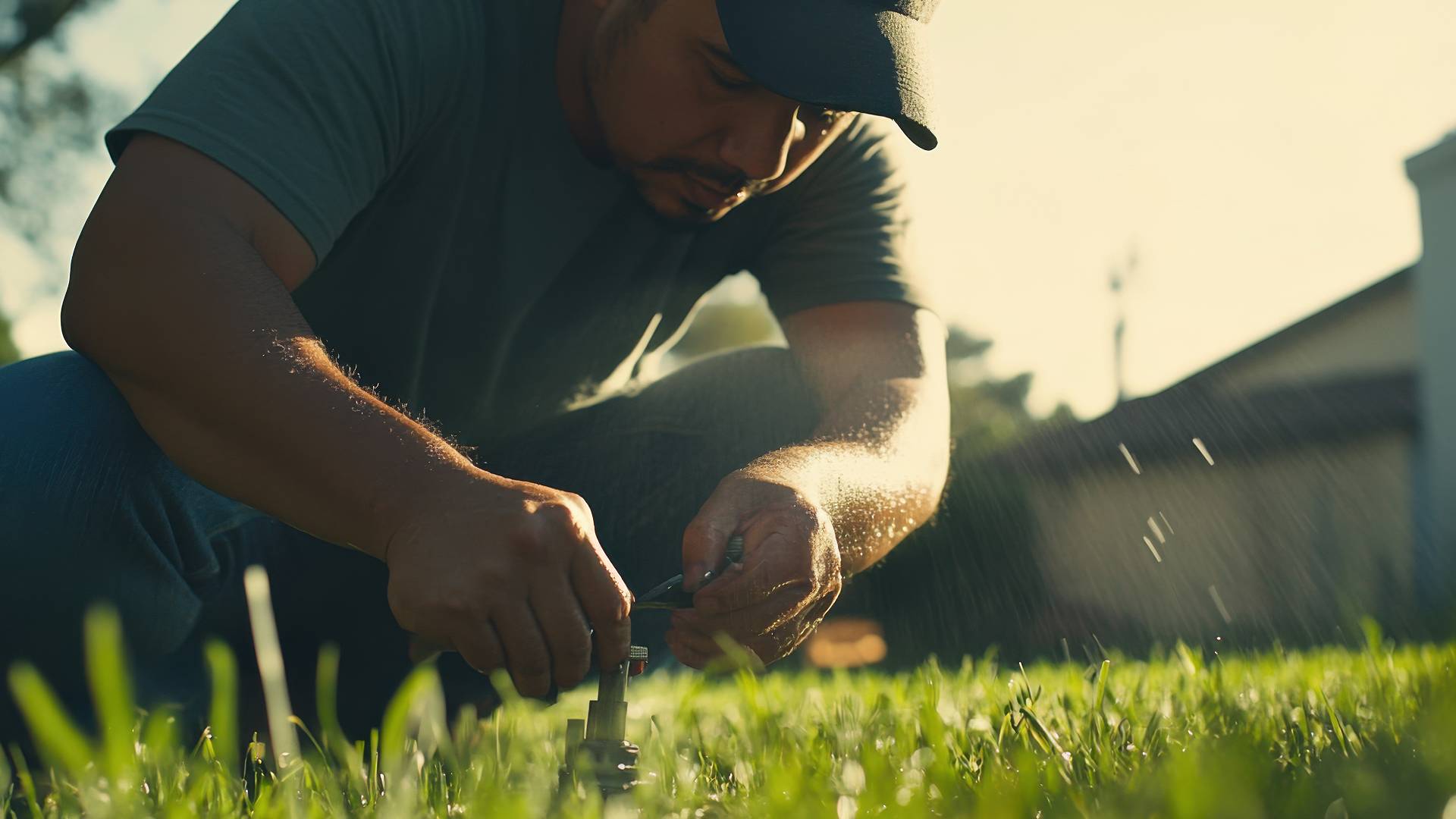
Check for clogs or leaks periodically, especially in drip emitters.
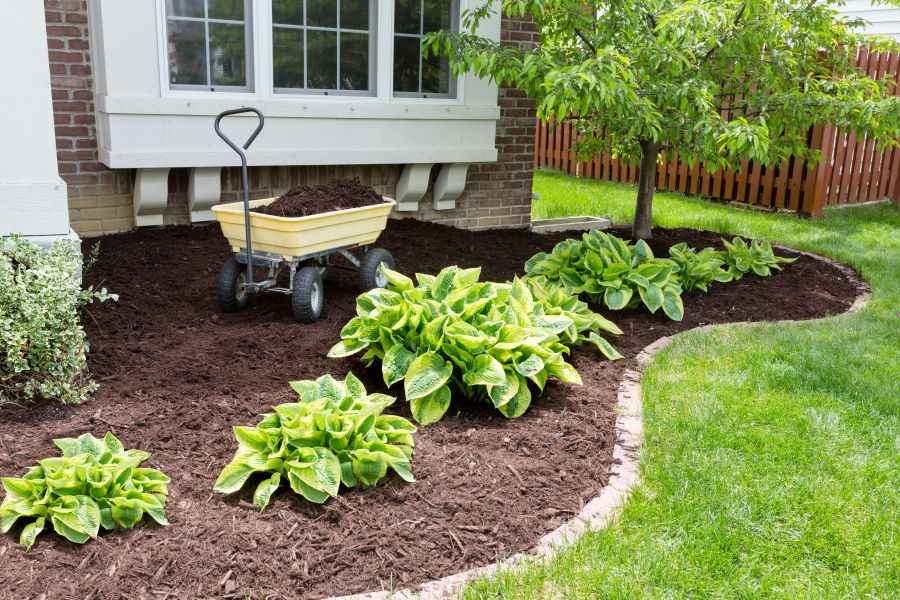
Use mulch around plants to help keep moisture and reduce evaporation.
Adjust your schedule seasonally — less water during rainy periods.
Still unsure about your decision?
Choosing between drip or spray doesn’t have to be an either/or decision in Florida. A hybrid system tailored to your yard gives you coverage where necessary and precision where it counts. If you’d like help designing or installing a drip-spray irrigation system for your Florida landscape, contact Amelia Lawn today. We’ll help you get efficient watering, healthier plants, and lower water bills.