Why Mulch Matters in Northeast Florida
Florida’s climate creates specific challenges for maintaining healthy plants. Our hot sun, heavy rains, and humid conditions can stress plants and promote the growth of weeds. Mulch provides a protective layer that addresses these issues directly.
Temperature Control When You Need It Most
The Florida sun heats up the soil quickly, which can stress plant roots. Mulch works as a natural insulator, keeping soil temperatures more stable. This protection is especially important during spring and summer when temperatures climb rapidly.
A 2-3 inch layer of mulch can reduce soil temperature by 8-10 degrees during the hottest parts of the day. This temperature difference gives your plants relief from heat stress and helps them thrive even during intense summer heat.
Water Conservation That Saves Time and Money
Mulch reduces water evaporation from soil by up to 70%. This means your plants stay hydrated longer between waterings. For busy homeowners, this translates to less time spent watering and lower water bills.
In Northeast Florida, where we can experience both heavy downpours and dry periods, mulch helps manage these extremes. It absorbs excess moisture during heavy rains and slowly releases it during dry spells.
Weed Suppression That Works
Weeds compete with your plants for water and nutrients. A proper layer of mulch blocks sunlight from reaching weed seeds, preventing them from germinating. This simple barrier can reduce weed growth by up to 90%.
Less weeding means more time enjoying your landscape rather than maintaining it. Professional mulching ensures even coverage at the right depth for maximum weed suppression.
Soil Improvement That Lasts
As organic mulch breaks down, it adds valuable nutrients to your soil. This natural process improves soil structure, promotes beneficial microorganisms, and creates healthier growing conditions for your plants.
In Florida’s sandy soils, this organic matter is particularly valuable. It helps soil retain nutrients that would otherwise wash away during heavy rains.
Choosing the Right Mulch for Florida’s Climate
Not all mulch performs equally in our humid, subtropical climate. Here’s how different types compare:
Pine Bark: Durable and Florida-Friendly
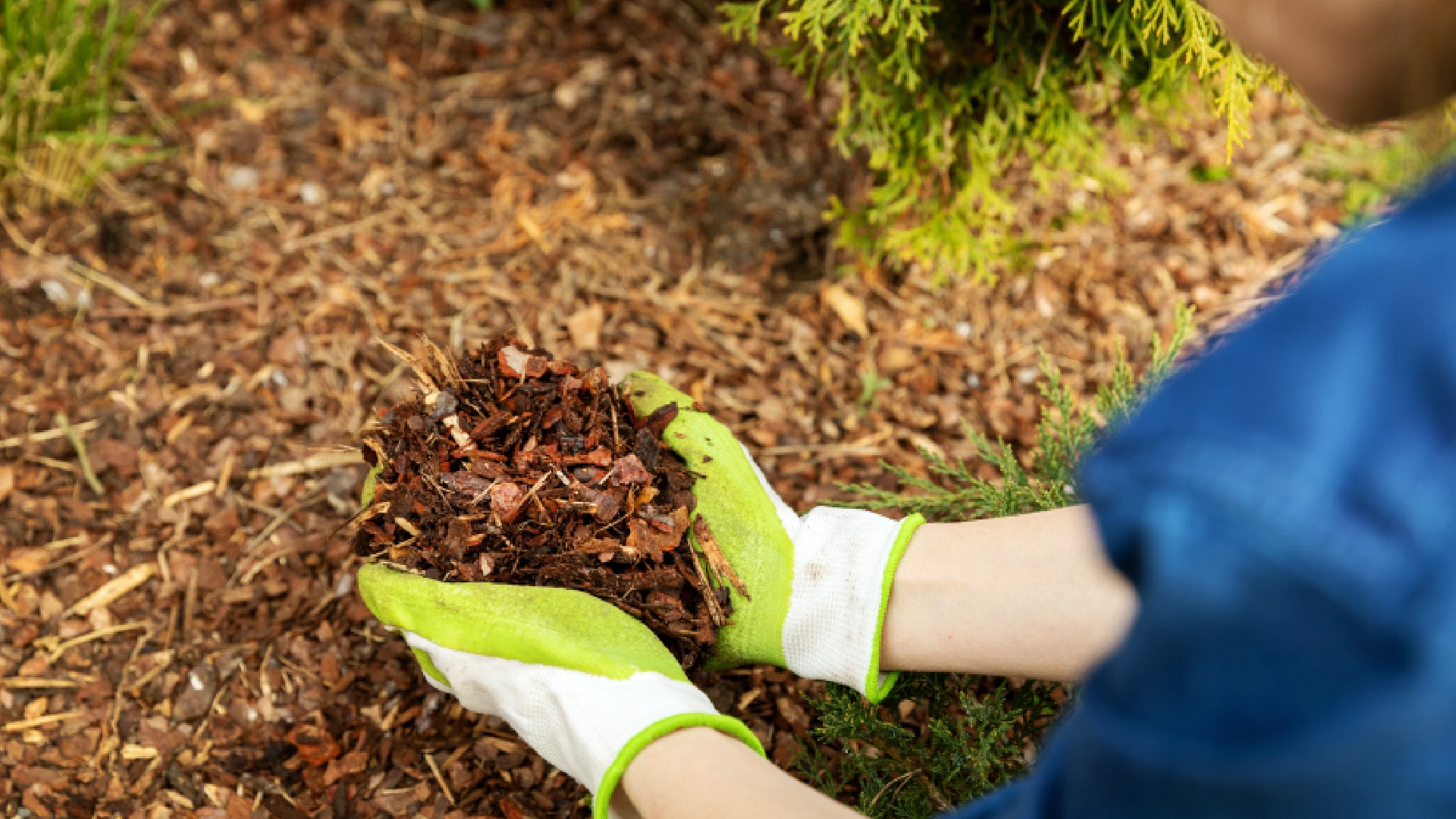
Pine bark mulch works well in Northeast Florida landscapes. It breaks down slowly, resists floating away during heavy rains, and has a natural appearance that complements most landscapes.
The slightly acidic nature of pine bark benefits acid-loving plants common in Florida landscapes, such as azaleas, gardenias, and blueberries.
Cypress Mulch: Traditional But Limited
While cypress mulch has been popular in Florida for years, its sustainability has become a concern. Cypress trees grow slowly, and harvesting them for mulch impacts natural wetland ecosystems.
If you prefer the look of cypress, consider sustainable alternatives like pine or eucalyptus mulch that provide similar benefits without environmental concerns.
Eucalyptus Mulch: Sustainable and Pest-Resistant
Eucalyptus mulch offers excellent benefits for Florida landscapes. It’s renewable, breaks down slowly, and contains natural oils that repel certain insects.
Its rich color lasts longer than many other organic mulches, maintaining your landscape’s fresh appearance for extended periods.
Pine Straw: Natural and Effective
Pine straw (pine needles) works particularly well around acid-loving plants. It forms a lightweight, interlocking layer that stays in place better than some wood mulches during heavy rains.
This mulch type allows water to penetrate easily while still suppressing weeds, making it ideal for areas with irrigation systems.
Rubber Mulch vs. Wood Mulch: Which Is Better for Florida?
Rubber mulch lasts longer than organic options and doesn’t decompose. However, it doesn’t improve soil quality and can trap heat, potentially harming plants in our hot climate.
Wood mulch cools the soil, improves soil health as it decomposes, and creates a natural look. While it needs replacement more often, its benefits to plant health make it the preferred choice for most landscape beds.
How Much Mulch Do You Need?
Calculating mulch requirements prevents wasteful ordering or frustrating shortages. For most applications:
- Measure the square footage of your beds (length × width)
- Plan for a 2-3 inch depth for optimal benefits
- As a rule of thumb, one cubic yard of mulch covers about 100 square feet at a depth of 3 inches
For typical suburban homes in Nassau County, most front yard beds require between 2 and 5 cubic yards of mulch. Larger properties may need significantly more.
Professional landscapers can help calculate your exact needs, taking into account your specific beds and desired depth.
Professional Mulching: Application Techniques That Make a Difference
Proper mulch application techniques ensure you get maximum benefits:
The Right Depth Makes All the Difference
Apply mulch 2 to 3 inches deep around established plants. This depth provides optimal weed suppression and moisture retention without suffocating plants.
For newly planted areas, a slightly thinner layer (1-2 inches) allows tender plants to establish more easily.
Keep Distance from Trunks and Stems
One of the most common mulching mistakes is piling mulch against tree trunks or plant stems. This “volcano mulching” traps moisture against the bark, promoting rot and creating entry points for pests and diseases.
Instead, leave a few inches of space around trunks and stems to allow air circulation.
Edge Definition Creates Visual Appeal
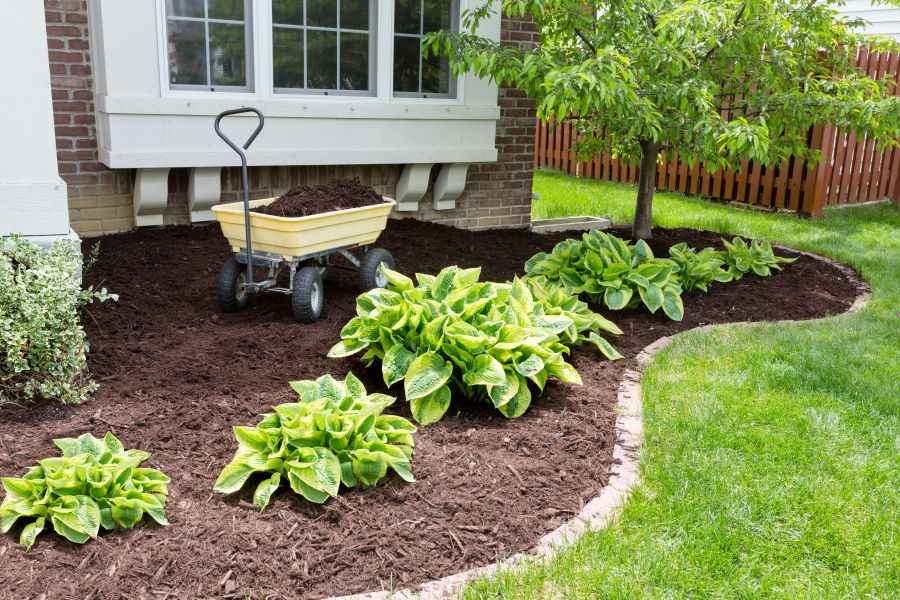
Professional mulching includes creating clean, defined edges between your beds and lawn areas. These crisp transitions elevate the overall appearance of your landscape and make maintenance easier.
Well-defined edges prevent grass from encroaching into mulched areas and help contain mulch during heavy rains.
How Often Should Mulch Be Replaced in Florida?
Due to Florida’s heat and humidity, organic mulch breaks down faster than in cooler climates. Most Northeast Florida landscapes benefit from:
- Annual complete replacement to maintain optimal depth and appearance
- Touch-ups with a thin layer (1 inch) between full replacements if needed
- Spring application to prepare for the growing season and summer heat
The decomposition rate varies depending on the type of mulch. Pine bark and cypress last longer (12-18 months), while finer-textured mulches may need replacement more frequently.
Does Mulch Attract Termites in Florida?
This common concern deserves attention, especially in Florida, where termites are active. Here are the facts:
- Mulch itself does not attract termites, but it can create favorable conditions for them
- Keeping mulch at least 6 inches away from your home’s foundation reduces risk
- Cedar and cypress mulches contain natural oils that repel some insects
- Regularly refreshing mulch rather than adding layer upon layer reduces the termite habitat
Professional mulching services ensure proper placement and depth that minimizes termite concerns while maximizing plant benefits.
When to Schedule Professional Mulching
In Northeast Florida, early spring (late February to April) is ideal for mulch application. This timing:
- Prepares your landscape for the growing season
- Suppresses spring weeds before they establish
- Protects soil from summer heat
- Enhances curb appeal when outdoor living increases
A second, lighter application in fall helps protect tender roots during occasional winter cold snaps.
Transform Your Landscape with Professional Mulching
Fresh mulch instantly refreshes your landscape’s appearance while providing long-term benefits for plant health. Professional application ensures you get the right type, depth, and placement for maximum results.
At Amelia Lawn & Landscaping Services, we tailor our mulching services to the unique conditions of Northeast Florida. Our team understands local plants, soil types, and climate challenges to deliver results that enhance both the beauty and health of your landscape.
Don’t let another season pass with faded, weedy beds. Contact us today to schedule your professional mulching service and see the difference quality mulch makes for your property.
Call us or visit https://amelialawn.com/ to get started with professional mulching that protects your plants and enhances your curb appeal, one bed at a time.