Paver Patios: Extending Your Living Space Outdoors
Andrew Davis
When summer arrives in Northeast Florida, your yard becomes valuable real estate. A paver patio adds useful outdoor space for dining, relaxing, and entertaining guests. With the right planning and materials, this project offers a big return on both enjoyment and home value.
Why Paver Patios Work in Northeast Florida
Florida’s climate creates specific needs for outdoor spaces. Pavers offer clear benefits over other options like concrete slabs or wooden decks:
Heat resistance: Lighter-colored pavers stay cooler in our hot summer sun
Durability: Quality pavers withstand Florida’s humidity and rain
Flexibility: Individual pavers adapt to ground movement better than solid concrete
Style options: Various colors, shapes, and patterns match any home design
Let’s look at how to create the perfect paver patio for your Northeast Florida home.
Design Options for Different Home Styles
Your patio should match your home’s architectural style for a cohesive look. Here are options that work well in our region:
For Florida Ranch Homes:
Simple rectangular or L-shaped layouts
Warm beige or terracotta pavers
Classic running bond or basketweave patterns
For Coastal Homes:
Curved edges or organic shapes
Sand-colored pavers with blue or gray accents
Beach pebble borders or inlays between sections
For Contemporary Homes:
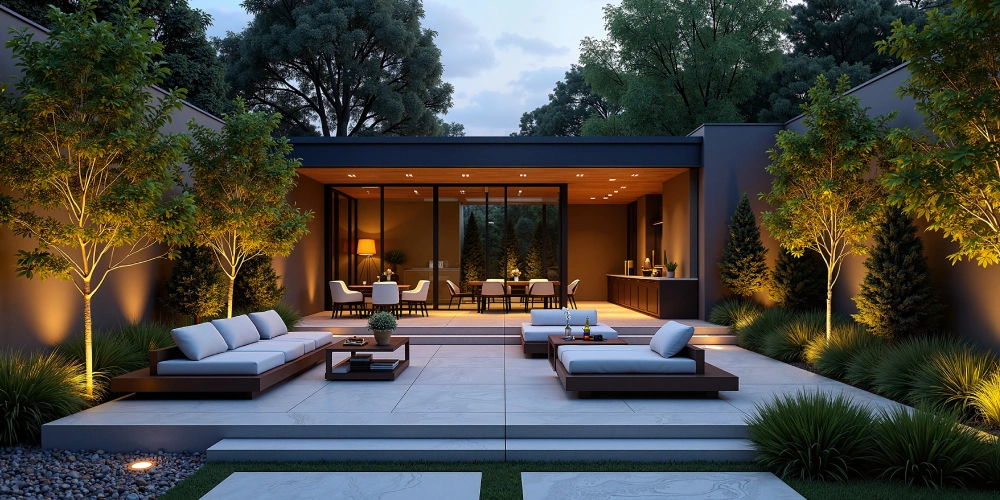
Clean, geometric designs
Large-format pavers in light gray or white
Minimalist patterns with sharp edges
For Traditional Homes:
Formal, symmetrical layouts
Red brick or cobblestone-look pavers
Herringbone patterns with dark borders
The right design creates a patio that looks like it has always been part of your property.
Best Paver Materials for Florida’s Climate
Florida’s humidity, heat, and occasional storms require durable materials. Here’s how common paver types perform in our area:
Concrete Pavers:
Cost: $8-15 per square foot installed
Pros: Wide range of colors and styles, good durability
Cons: Can fade in intense sun over time
Clay Brick Pavers:
Cost: $12-20 per square foot installed
Pros: Classic look, color stays constant, ages well
Cons: More limited color options, slightly more expensive
Natural Stone Pavers:
Cost: $15-30 per square foot installed
Pros: Unique appearance, highest durability
Cons: Higher cost, can get hot in direct sun
Shell-Stone Blend Pavers:
Cost: $10-18 per square foot installed
Pros: Florida coastal look, good heat reflection
Cons: Requires more maintenance
For Northeast Florida homes, concrete pavers offer the best balance of cost, durability, and style options. Many homeowners choose lighter colors like beige, tan, or light gray to reduce heat absorption.
Permeable vs. Standard Pavers for Florida Properties
Florida’s rainfall makes drainage a key consideration. Permeable pavers offer benefits worth considering:
Standard Pavers:
Less expensive upfront
More color and style options
Requires proper slope and drainage planning
Permeable Pavers:
Allow rainwater to filter through to the ground
Reduce runoff and flooding risks
Help prevent erosion on coastal properties
Costs about 15-20% more than standard pavers
Permeable pavers work well in Northeast Florida, especially in areas with water restrictions or homes near waterways. The extra cost pays off in better drainage during our heavy summer storms.
Do I Need a Permit for a Paver Patio in Nassau County?
This question confuses many homeowners. Here’s what you need to know for Nassau County:
Patios under 120 square feet typically don’t need permits
Patios attached to the home may require permits
Any project changing drainage patterns needs approval
HOA approval may be required regardless of county rules
Any electrical work (like lighting) needs proper permits
The safest approach is to check with the Nassau County Building Department before starting. A professional installer will handle permit applications as part of their service.
Site preparation – Marking the area and removing grass and topsoil
Base installation – Adding and compacting crushed stone (6-8 inches for Florida’s sandy soil)
Sand layer – Adding a thin layer of leveling sand
Paver placement – Installing pavers in the chosen pattern
Edge restraints – Adding borders to prevent shifting
Joint sand – Filling gaps with polymeric sand to prevent weeds
Sealing – Applying sealer to protect the surface (optional but recommended in Florida)
For an average-sized patio, professional installation takes 3-5 days. DIY projects typically take longer and require renting specialized equipment.
How to Prevent Weed Growth Between Pavers in Florida
Florida’s warm, moist climate means weeds grow quickly. These steps help keep them away:
Start with proper installation – Use landscape fabric under the base material
Use polymeric sand – This special sand hardens when wet but stays flexible
Apply sealer – Sealing the surface creates a protective barrier
Spot treat as needed – Use white vinegar or boiling water for eco-friendly control
Schedule regular maintenance – Clean and re-sand every 1-2 years
Many homeowners in Northeast Florida schedule an annual paver cleaning and maintenance service to keep their patios looking fresh.
How Long Do Paver Patios Last in Coastal Environments?
With proper installation and maintenance, paver patios in Northeast Florida last 20-30 years or more. Coastal areas face additional challenges from salt air and occasional flooding.
To maximize longevity in coastal areas:
Choose salt-resistant materials (concrete or natural stone)
Install with a slightly higher slope for better drainage
Use a premium sealer designed for coastal environments
Rinse with fresh water periodically to remove salt residue
Re-seal every 2-3 years (vs. 4-5 years inland)
The investment in quality materials and professional installation pays off in decades of enjoyment with minimal repairs.
Enhancing Your Paver Patio for Year-Round Use
Northeast Florida’s mild climate lets you use your patio almost year-round with these additions:
Overhead shade – Pergolas or shade sails for summer heat protection
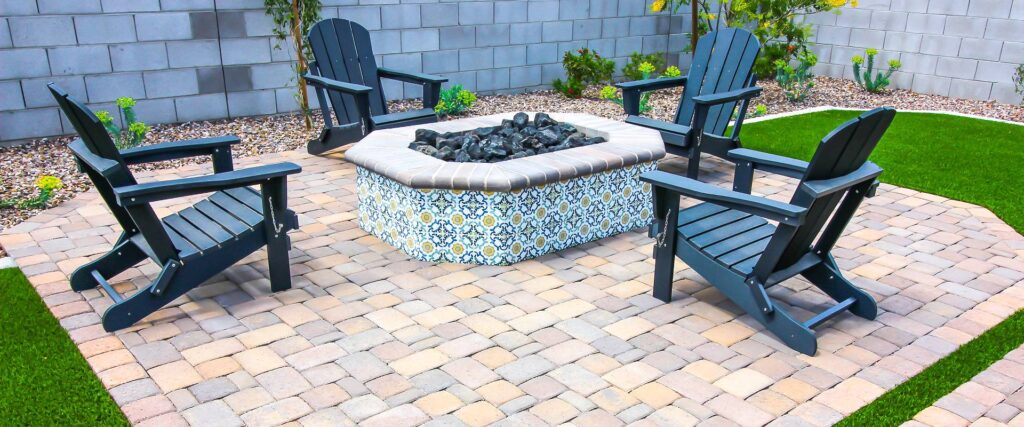
Fire pit – Extends use into cooler winter evenings
Outdoor lighting – Makes the space usable after dark
Outdoor fans – Improve air circulation in summer
Bug screens – Optional enclosures for mosquito protection
These features turn your patio into a true extension of your home’s living space.
Ready to Extend Your Living Space Outdoors?
A paver patio adds value to your Northeast Florida home while creating a space for relaxation and entertainment. The right design, materials, and installation create an outdoor living area that will withstand our climate for decades.
At Amelia Lawn & Landscaping Services, we help homeowners in Fernandina Beach, Yulee, and across Northeast Florida design and install paver patios built for our unique conditions. Our team knows which materials work best in our climate and how to install them for maximum durability.
Ready to discuss your paver patio project? Contact us today to schedule a free consultation. We’ll help you create an outdoor space that fits your home, lifestyle, and budget.