What Makes Northeast Florida Lawns Different
Living around Yulee and Fernandina Beach means dealing with soil that’s nothing like what you see in other parts of the country. Our ground is primarily sand, which creates a love-hate relationship with water and nutrients.
Sure, sandy soil drains well – no standing water or soggy spots. But here’s the catch: everything drains away, including the good stuff your grass desperately needs. Think of it like trying to fill a bucket with holes in the bottom. No matter how much you pour in, it keeps disappearing.
This constant nutrient loss creates a cycle in which your grass never receives the consistent feeding it needs to thrive. St. Augustine and Zoysia varieties, which dominate most local lawns, have specific nutritional requirements that change throughout their growing cycles.
The difference between struggling grass and thriving turf often comes down to understanding the timing of this essential nutrient. Your lawn needs the right food at the right moments, not just random applications whenever you remember.
When is the Best Time to Fertilize Lawns in Florida?
This might be the most common question I hear from homeowners, and the answer isn’t as straightforward as you might expect. The timing depends on soil temperature, the type of grass, and seasonal growth patterns.
Here in Northeast Florida, the fertilization calendar revolves around our warm-season grasses and their natural rhythms:
- Early Growing Season (March-April): Soil temperatures reach that magic 65°F mark, and grass starts actively growing again. This first feeding sets the foundation for the entire year.
- Peak Growth Period (May-June): Your lawn hits its stride during these months. Higher temperatures and longer days mean faster growth and increased nutrient demands.
- Stress Season (July-August): Florida summers test every lawn. Proper nutrition during this period helps grass survive heat stress and frequent storms.
- Recovery Phase (September-October): As temperatures moderate, your lawn recovers from summer challenges and prepares for the cooler months ahead.
The secret is synchronizing fertilizer applications with your grass’s ability to actually use those nutrients. Miss the timing, and you’re essentially throwing money into the sand.
How Often Should Lawn Fertilization Be Applied?
Most Florida lawns perform best with nutrition every 6-8 weeks during active growth periods. However, this schedule isn’t set in stone – it adapts based on several important factors.
Your specific fertilization frequency depends on:
- Grass variety: St. Augustine typically needs more frequent feeding than Zoysia
- Soil drainage: Our sandy soils require more regular applications
- Weather patterns: Heavy rains accelerate nutrient loss
- Foot traffic: High-use areas consume nutrients faster
Professional services monitor these variables continuously. They track local weather, observe grass response, and adjust schedules accordingly. This flexibility produces much better results than rigid, calendar-based approaches.
The goal is to maintain steady nutrition without overwhelming your grass or creating fertilizer burn. Too much at once can damage roots and promote excessive leaf growth that weakens the plant.
What Are Signs Your Lawn Needs Fertilization?
Your grass speaks to you constantly – you just need to know its language. These visual cues indicate when your lawn is running low on essential nutrients:
- Color Shifts: Healthy grass maintains a rich, consistent green color. When you notice fading, yellowing, or pale areas, your lawn is probably nitrogen-deficient. Iron shortages create yellow blades with green veins.
- Sluggish Growth: During the active season, healthy grass grows steadily and requires regular mowing. If you’re cutting less frequently or noticing slower recovery after mowing, nutrition is likely lacking.
- Density Problems: Well-fed grass grows thick and fills in completely. Thin, sparse areas indicate insufficient nutrition and create openings for weeds to establish.
- Poor Recovery: Properly nourished lawns bounce back quickly from minor damage, drought stress, or heavy use. Slow recovery often signals nutritional deficiencies.
- Weed Pressure: Thick, healthy grass naturally prevents the establishment of weeds. When nutrition drops, grass thins out, and weeds quickly fill the gaps.
Understanding Local Soil Science
Northeast Florida’s sandy soil composition creates specific challenges that generic fertilization approaches can’t address. These soils drain rapidly, which prevents waterlogging but also means nutrients disappear just as quickly.
Nitrogen, your grass’s most important nutrient, moves easily through sandy soil. Water-soluble forms can wash away completely in one heavy rain event. This mobility explains why store-bought fertilizers often produce disappointing results – the nutrition vanishes before roots can absorb it.
Professional fertilizers use slow-release technology that provides steady nutrition over extended periods. These formulations resist leaching and continue feeding your grass for weeks or months after application.
Phosphorus and potassium, while less mobile than nitrogen, can still be limiting factors in sandy conditions. Professional soil analysis reveals specific deficiencies and allows for targeted correction rather than guesswork.
Local soil pH also affects nutrient availability. Many Northeast Florida soils tend toward acidity, which can lock up certain nutrients even when they’re present in adequate amounts.
Environmental Benefits of Professional Application
Proper fertilization protects our local environment while creating beautiful lawns. Professional applicators use precise techniques that minimize waste and prevent pollution.
- Waterway Protection: Fertilizer runoff contributes to harmful algae blooms in local rivers and coastal waters. Professional application reduces this risk through careful timing, proper rates, and weather monitoring.
- Soil Ecosystem Health: Quality fertilizers include organic components that feed beneficial soil microorganisms. These microbes improve soil structure and help grass roots access nutrients more efficiently.
- Air Quality Improvement: Dense, healthy lawns capture dust and pollutants while producing oxygen. Well-fertilized grass develops more extensive root systems that enhance these benefits.
- Wildlife Habitat: Thick lawns provide habitat for beneficial insects and small wildlife while reducing erosion and surface runoff.
Professional applicators understand these environmental connections and use practices that protect ecosystem health while creating beautiful landscapes.
Why Professional Services Deliver Superior Results
You may wonder whether professional fertilization is worth the cost compared to handling it yourself. Here’s what separates professional results from DIY attempts:
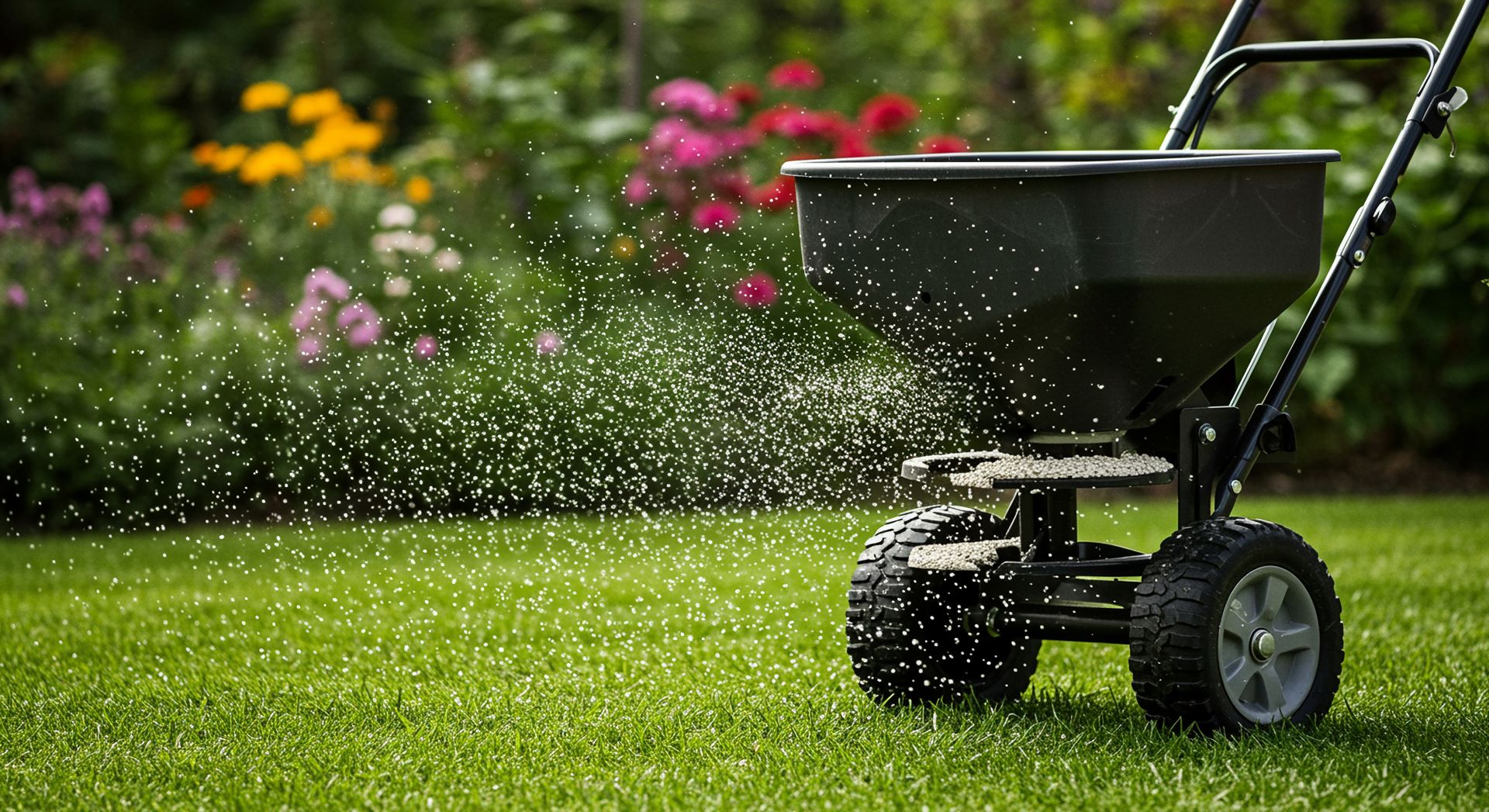
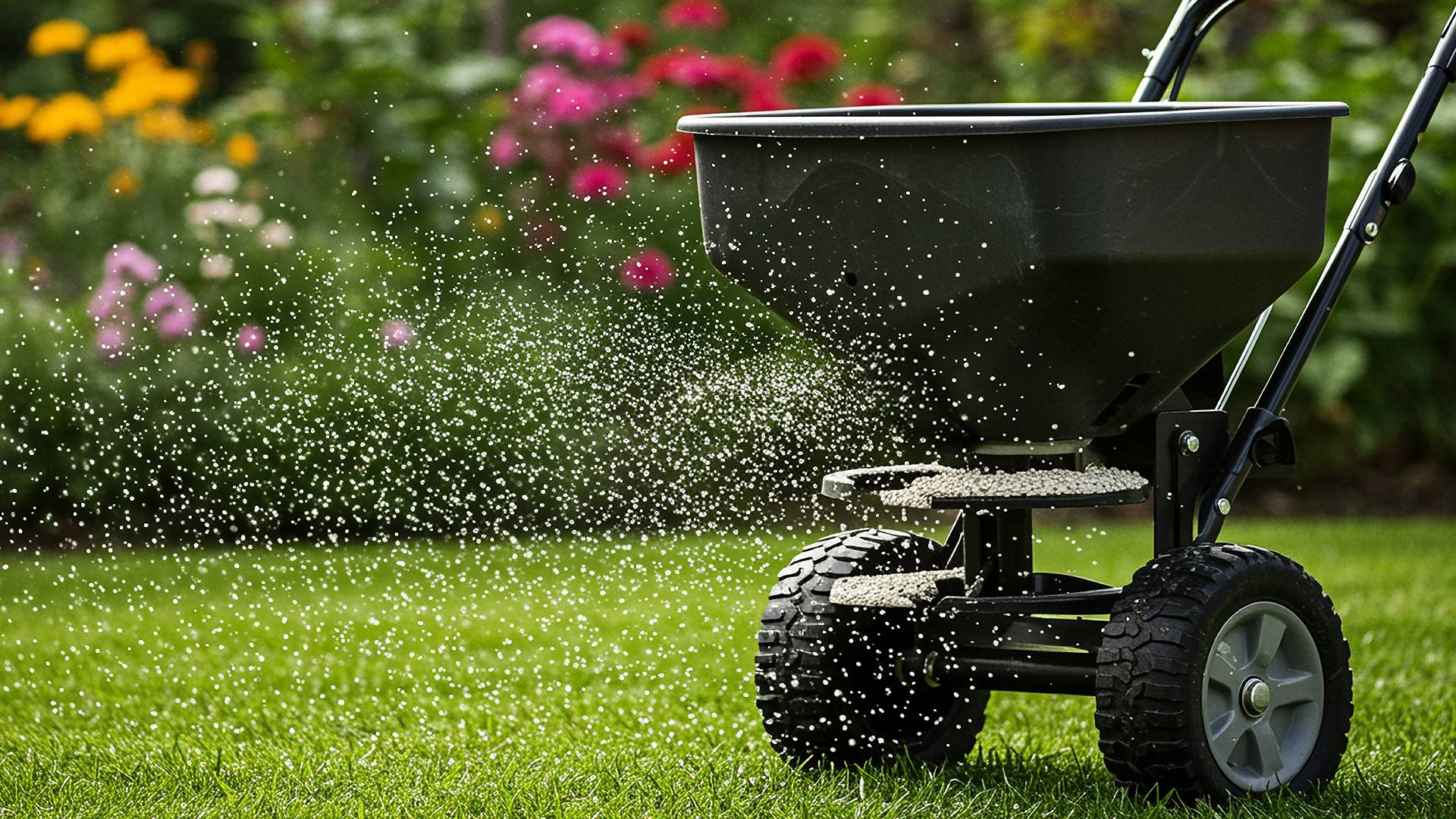
- Precision Equipment: Commercial spreaders distribute fertilizer evenly across large areas. Uneven application creates striped patterns and can burn grass where the fertilizer concentrates.
- Weather Intelligence: Professionals monitor conditions continuously and time applications for optimal effectiveness. They avoid applications before storms or during periods of stress.
- Superior Products: Professional-grade fertilizers use advanced formulations not available to consumers. These products provide better nutrition and include beneficial additives like soil conditioners.
- Comprehensive Planning: Professional services coordinate fertilization with pest control, disease prevention, and other treatments. This integrated approach produces synergistic benefits.
- Experience Factor: Professionals recognize subtle signs of nutrient deficiency, pest pressure, or disease that homeowners might miss until problems become severe.
Avoiding Common Fertilization Pitfalls
Well-meaning homeowners often create problems through improper fertilization techniques. Here are frequent mistakes that can damage your lawn:
- Excessive Application: Too much fertilizer burns grass, promotes weak growth, and increases disease susceptibility. More isn’t better – precise amounts at the right times produce optimal results.
- Poor Timing: Fertilizing dormant grass wastes money and can harm the environment. Wait for active growth before applying spring treatments.
- Weather Ignorance: Applications before heavy rain wash away nutrients and contribute to pollution. Always check forecasts and plan accordingly.
- Blanket Treatment: Different lawn areas have different needs. Shaded spots, high-traffic zones, and areas with varying grass types require customized approaches.
- Product Misunderstanding: Not all fertilizers work the same way. Quick-release formulas provide rapid results but don’t last. Slow-release products cost more initially but provide longer-lasting benefits.
Starting Your Professional Fertilization Journey
Ready to transform your lawn from struggling to spectacular? The first step is to choose a local company that understands the unique conditions and challenges of Northeast Florida.
Look for providers who offer comprehensive soil testing, customized treatment plans, and integrated lawn care services. The best companies don’t use one-size-fits-all approaches – they develop specific programs for your property’s conditions.
Most professional services offer several program levels, from basic fertilization to complete lawn care packages that include weed control, pest management, and seasonal treatments.
The investment pays off through increased property value, reduced maintenance needs, and the satisfaction of having the most attractive lawn in your neighborhood.
Ready to Transform Your Lawn?
Your lawn has incredible potential – it just needs proper nutrition at the right times. Don’t spend another season watching neighbors enjoy beautiful grass while yours struggles.
At Amelia Lawn & Landscaping Services, we understand Northeast Florida’s unique soil conditions and know exactly when your lawn needs feeding. Our professional fertilization programs are designed specifically for Yulee and Fernandina Beach properties.
Ready to see the difference professional fertilization can make? Call us today at (904) 454-5889 for your free lawn consultation. We’ll assess your property’s specific needs and create a customized fertilization plan that transforms your outdoor space.
Make this the year your lawn becomes the envy of the neighborhood.