What Are the Most Common Lawn Weeds in Florida?
Knowing your opponent is half the battle. Florida hosts an impressive variety of weeds, but certain troublemakers appear repeatedly across our region. Let’s break them down by type so you can spot them early.
Broadleaf Invaders
Picture leaves that spread wide instead of growing in thin blades. Dandelions lead this group with serrated leaves and yellow flowers that turn into seed-filled puffballs—each plant produces thousands of seeds. White clover creates three-leaf clusters that compete directly with grass. Common chickweed forms thick mats that smother surrounding turf, while plantain develops distinctive ribbed leaves.
Grassy Troublemakers
These weeds disguise themselves as legitimate grass. Large crabgrass starts small but quickly forms unsightly clumps that die back in winter, leaving bare spots. Goosegrass prefers compacted soil and forms flat rosettes that spread outward. Once established, it’s remarkably tough to eliminate.
Sedge Family Problems
Yellow nutsedge isn’t actually grass—its stem feels triangular and solid, not round and hollow. This weed loves wet conditions and spreads through underground tubers, making it incredibly persistent. Purple nutsedge behaves similarly but develops purple-tinged seed heads. Both types resist regular grass herbicides.
Moisture-Loving Species
Consistently wet areas attract specialized weeds like torpedograss, which can create impenetrable stands. Various rushes and aquatic weeds quickly colonize pond edges and low-lying areas.
Understanding these weed families helps you select the most effective control approach. Broadleaf treatments won’t affect sedges, and grass herbicides target completely different plant types.
Is Pre-Emergent or Post-Emergent Weed Control Better?
This question splits homeowners into camps, but the real answer might surprise you: you need both. Think of weed control like home security—you want locks on your doors (pre-emergent) and an alarm system for anything that gets through (post-emergent).
Pre-Emergent Treatments: Prevention Power
Pre-emergent herbicides create an invisible soil barrier that stops weed seeds from sprouting. Apply around March 1st in Northeast Florida—watch for azaleas blooming or consistent temperatures between 65-70°F. These products must be activated with light watering within 1-2 days.
Post-Emergent Treatments: Active Problem Solving
Post-emergent herbicides target existing weeds and are most effective on young, actively growing plants. For broadleaf weeds, use products combining 2,4-D, MCPP, and dicamba. Grassy weeds in St. Augustine and centipede lawns respond to atrazine-based products. Sedges require specialized chemistry, such as imazaquin, penoxsulam, or sulfentrazone—expect multiple treatments.
The Complete Strategy
Combine both approaches for year-round protection. Pre-emergent treatments prevent future problems while post-emergent treatments handle current issues.
How Can I Prevent Weeds Naturally in My Lawn?
The most effective weed control strategy costs nothing and uses zero chemicals: growing grass so thick and healthy that weeds can’t establish in the first place. This approach focuses on optimizing conditions for your desirable plants while making life difficult for unwanted ones.
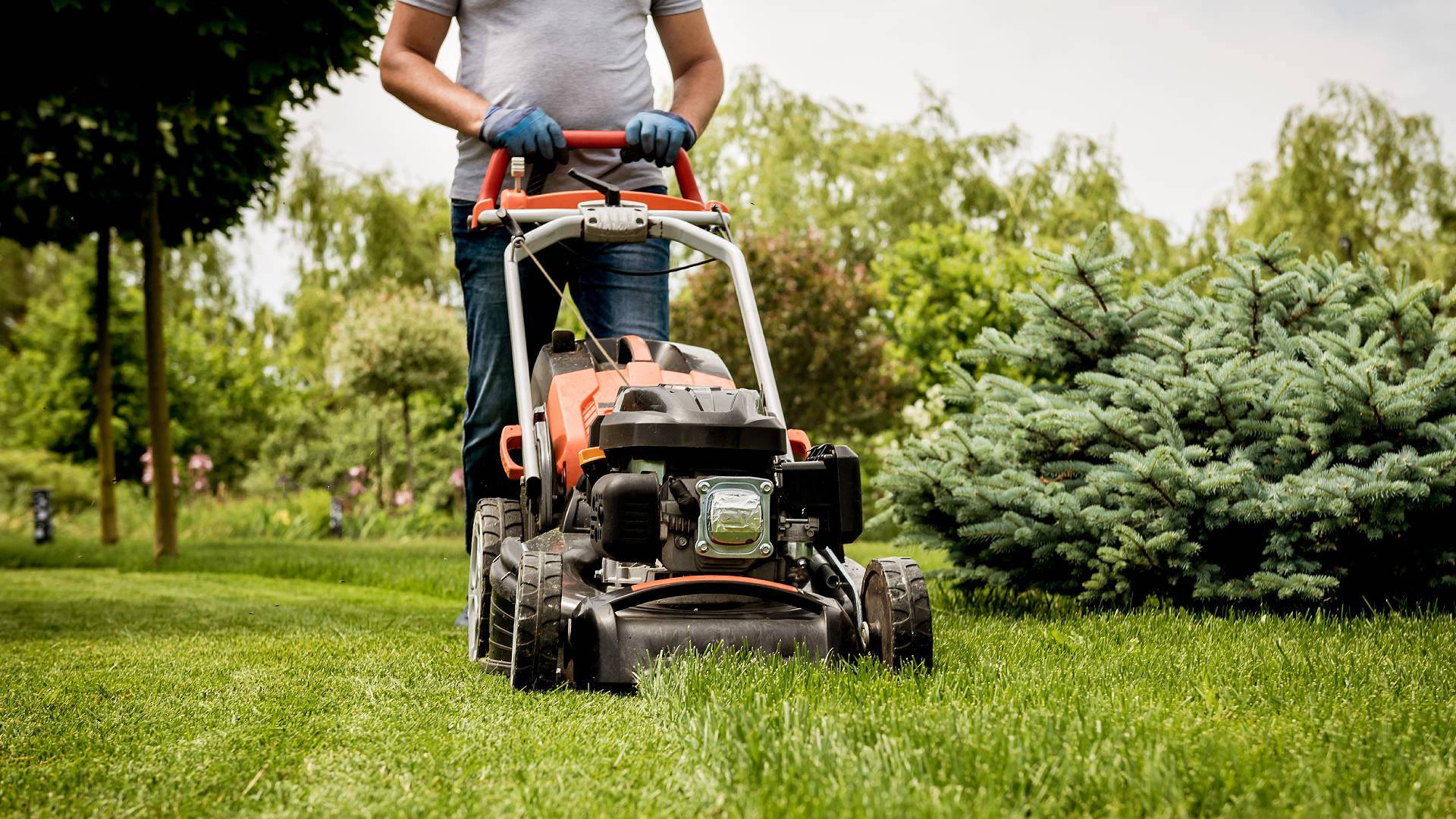
- Create Turf Density – Dense grass shades the soil and blocks weed germination. Follow the one-third mowing rule—never cut more than one-third of the blade. Maintain St. Augustine at 3-4 inches, zoysia at 1-2 inches. Sharp mower blades make clean cuts that heal quickly and reduce plant stress.
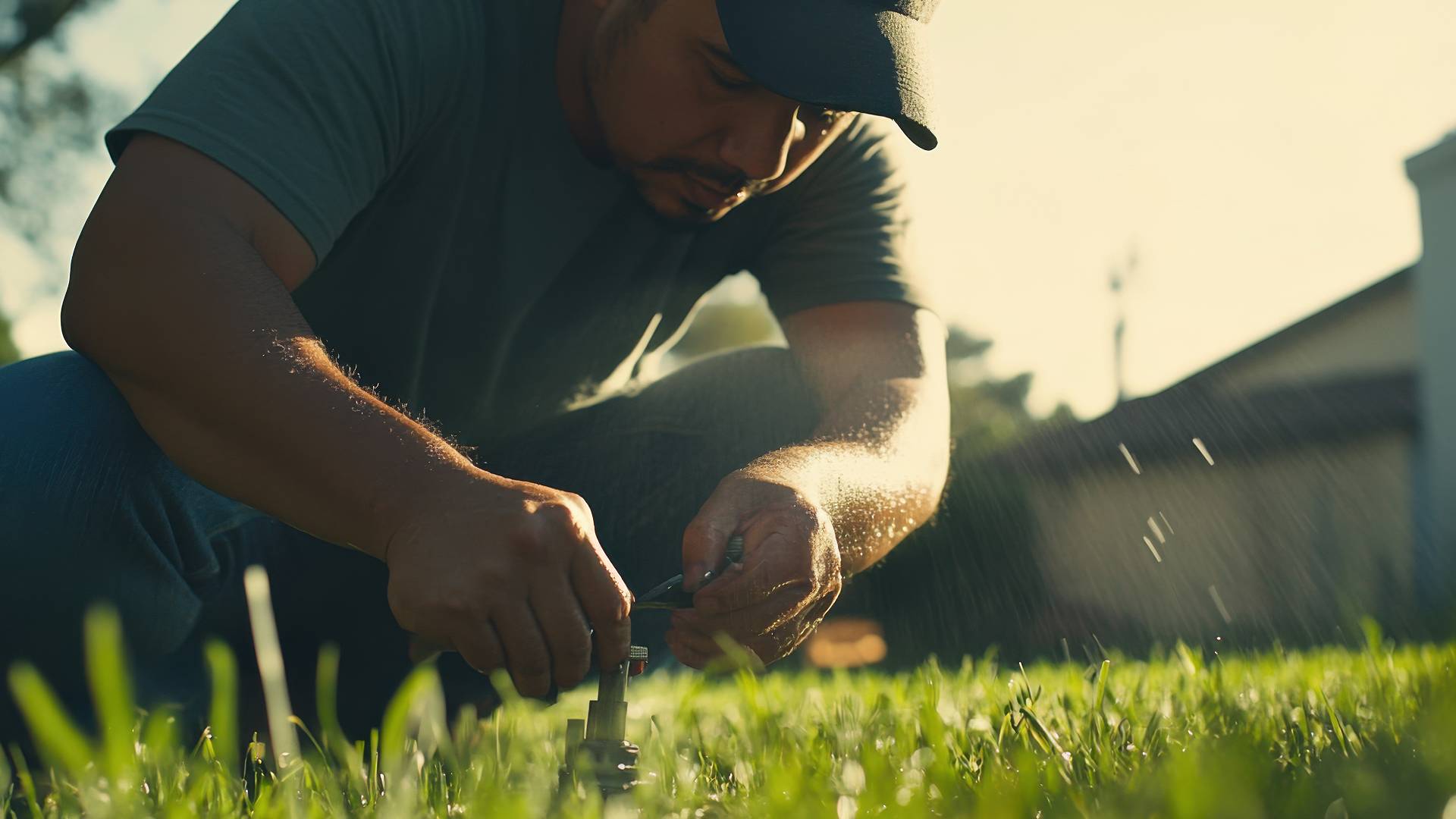
- Master Moisture Management – Frequent shallow watering encourages weeds while weakening grass. Established lawns need 1-1.5 inches weekly, including rainfall. Water deeply but infrequently in early morning hours before 9 AM to reduce evaporation and disease pressure.
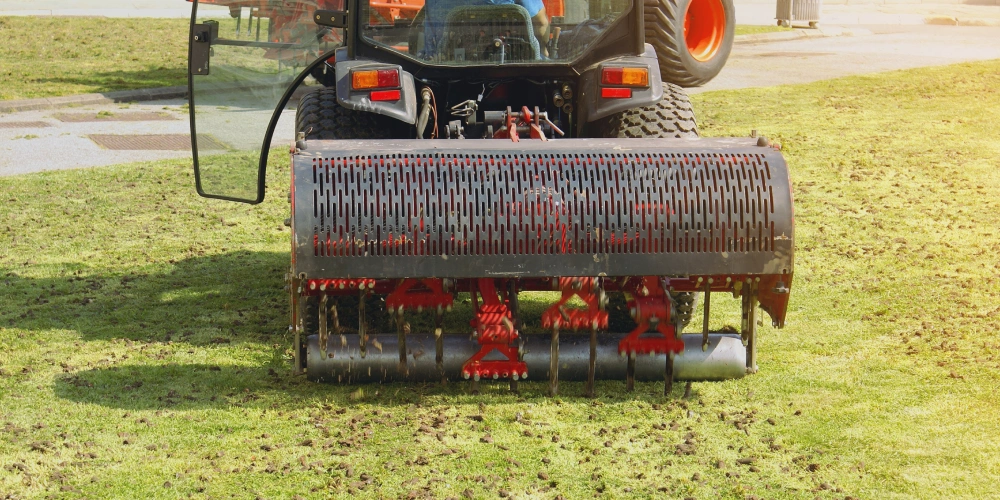
- Address Physical Problems – Soil compaction favors tough weeds like goosegrass over desirable grass. Core aeration in late spring relieves compaction and breaks up thatch layers that harbor weed seeds.
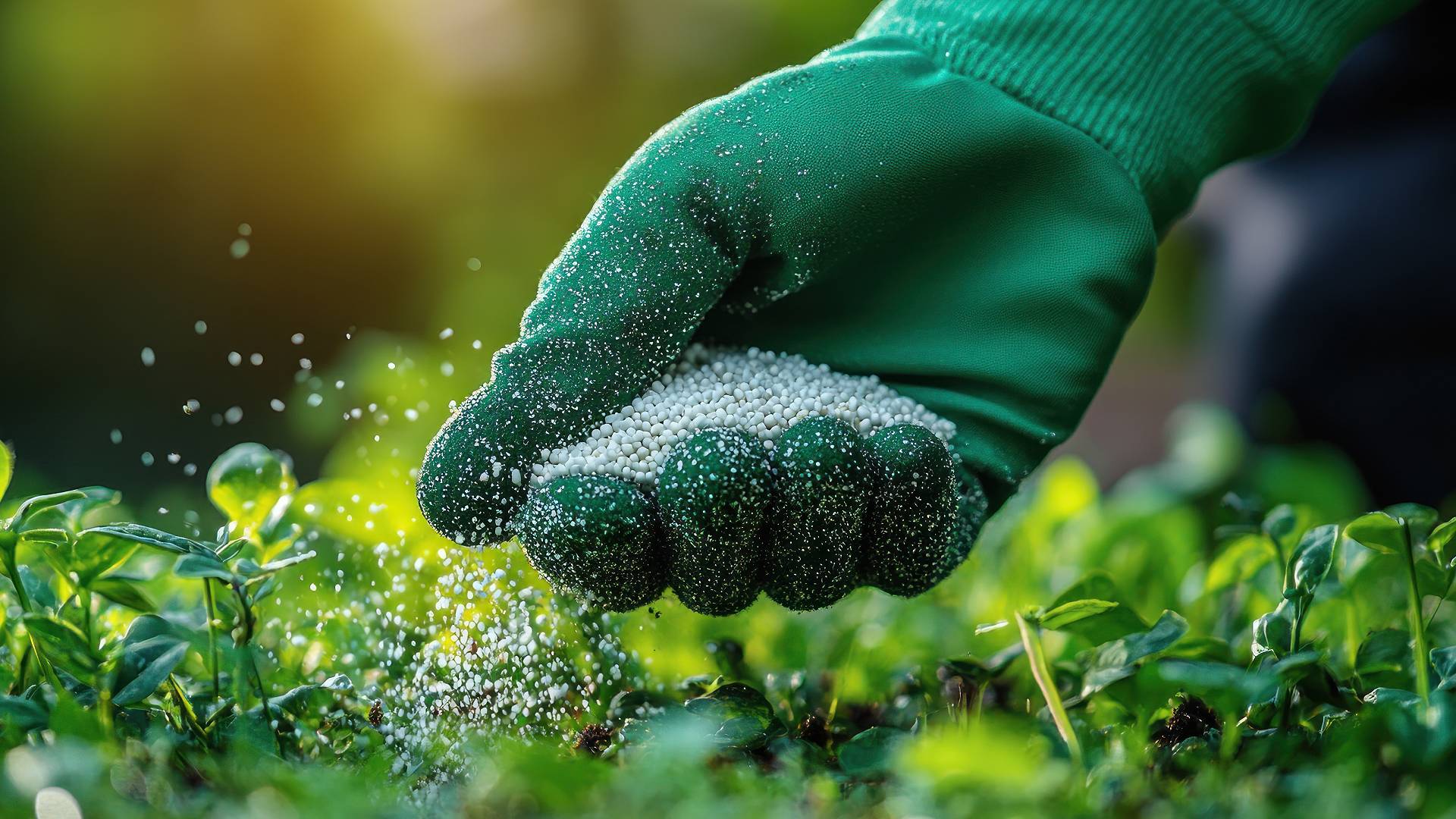
- Strategic Nutrition – Well-fed grass competes better against weeds, but timing matters. Follow University of Florida Extension recommendations and test the soil every few years to optimize your nutrition program.
- Rapid Response Protocol – Bare spots are weed magnets. Repair damage from pets, foot traffic, or disease immediately with appropriate sod, plugs, or seed before weeds colonize the area.
Professional Techniques for Long-Term Control
While many weed problems respond well to homeowner treatments, some situations benefit from professional expertise. Years of managing properties across Nassau County have taught us patterns that develop over time and require comprehensive approaches.
- Systematic Program Development – Professional weed control integrates multiple strategies rather than relying solely on herbicides. This approach reduces chemical usage while achieving better long-term results by addressing root causes instead of just treating symptoms.
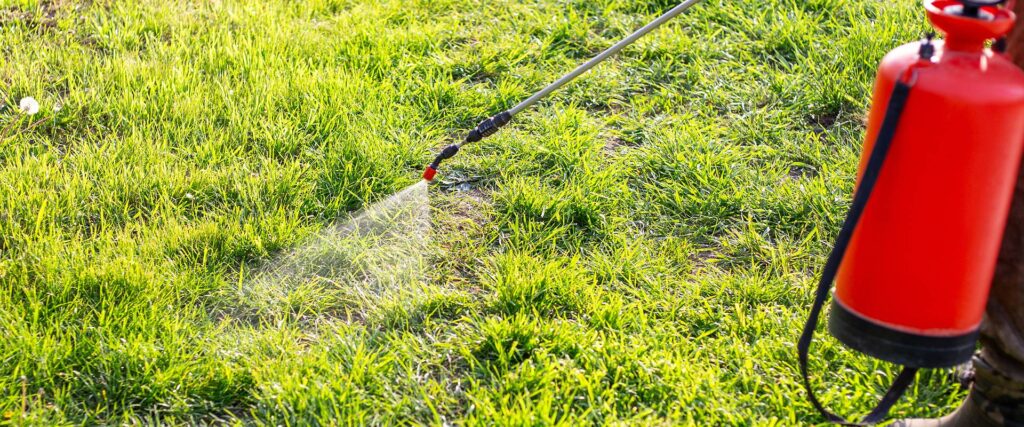
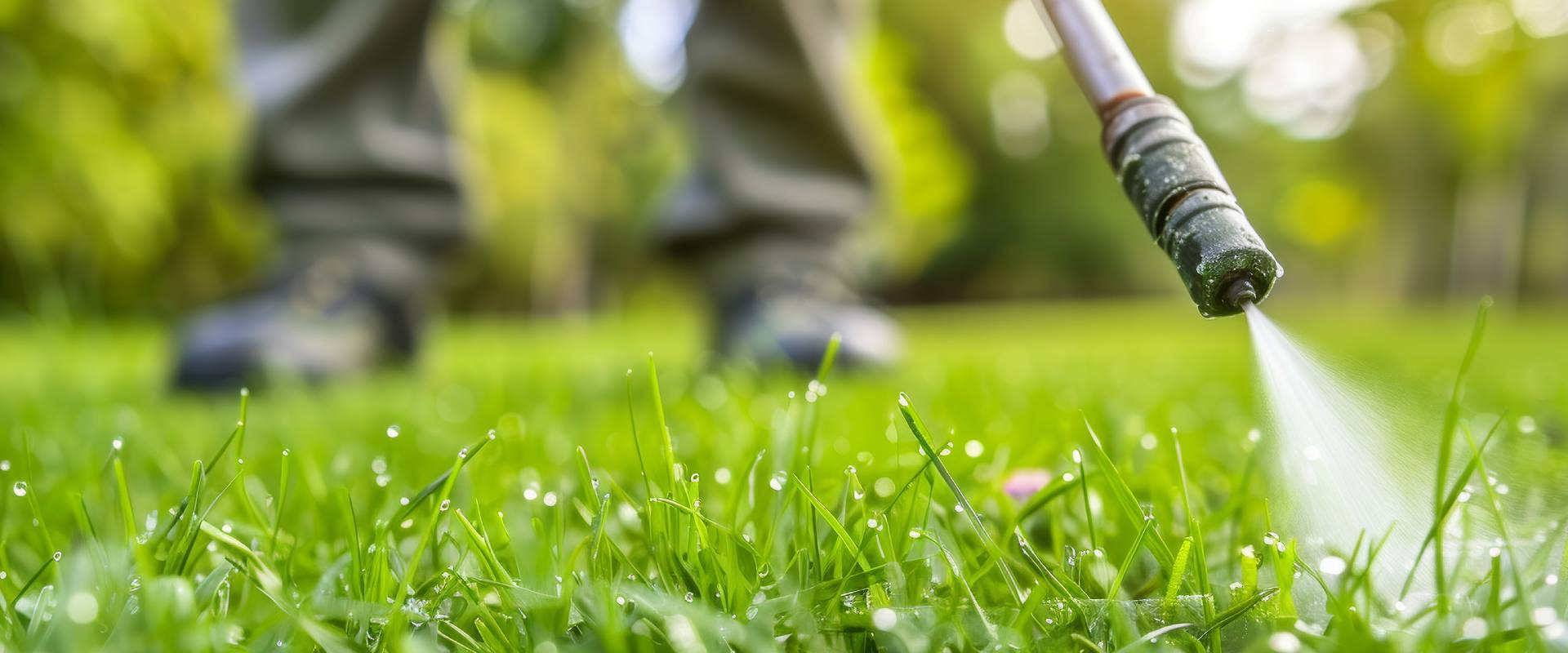
- Advanced Application Technology – Professional-grade equipment delivers precise application rates with consistent coverage. This prevents under-application (allowing resistant weeds to survive) and over-application (wasting product and damaging plants). Calibrated sprayers enable tank-mixing compatible products for broader control in single applications.
- Soil Health Assessment – Professional soil analysis reveals why certain weeds dominate specific areas. pH imbalances, drainage problems, and nutrient deficiencies influence which plants thrive. Some weeds indicate specific soil conditions—moss often signals acidic, compacted soil with poor drainage.
- Growth Cycle Synchronization – Different weeds germinate on different schedules throughout the year. Professional programs time treatments to each species’ biology. For example, goosegrass germinates weeks later than crabgrass, requiring adjusted pre-emergent timing.
- Resistance Prevention – Repeatedly using the same herbicides can create resistant weed populations. Professional programs rotate between different modes of action to maintain long-term effectiveness.
Building Your Weed-Free Future
Successful weed control combines excellent lawn care practices with targeted treatments matched to your specific challenges. The goal isn’t just killing existing weeds—it’s creating conditions where your grass thrives and weeds struggle to establish.
At Amelia Lawn & Landscaping Services, we’ve perfected weed control strategies for Nassau County’s unique climate. Ready to reclaim your lawn? Call us at (904) 454-5889 or visit amelialawn.com to schedule your consultation and create a customized plan for lasting results.